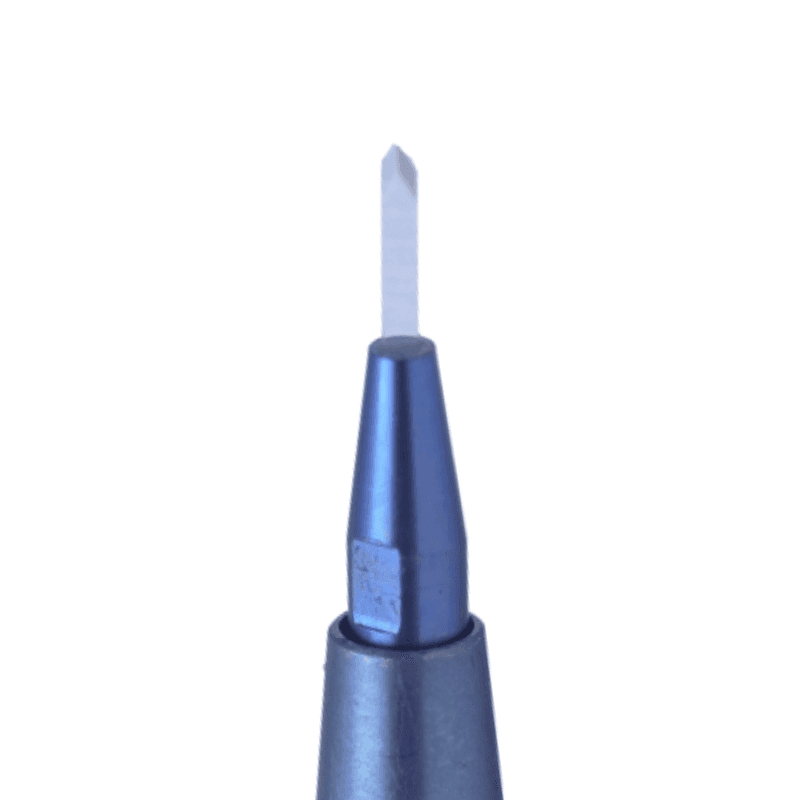
Sourcing FUE instruments well is unglamorous work that protects every case you perform. A disciplined procurement process keeps quality high, supply steady and pricing predictable. Use this checklist the next time you evaluate a wholesale FUE punch supplier or restock your instrument tray.
1. Define your real requirements first
Before contacting anyone, document what you actually consume. List the punch diameters you use, your split between reusable and disposable, your recipient site blades, and your monthly graft volume. A clear internal spec stops you from being upsold and lets suppliers quote accurately.
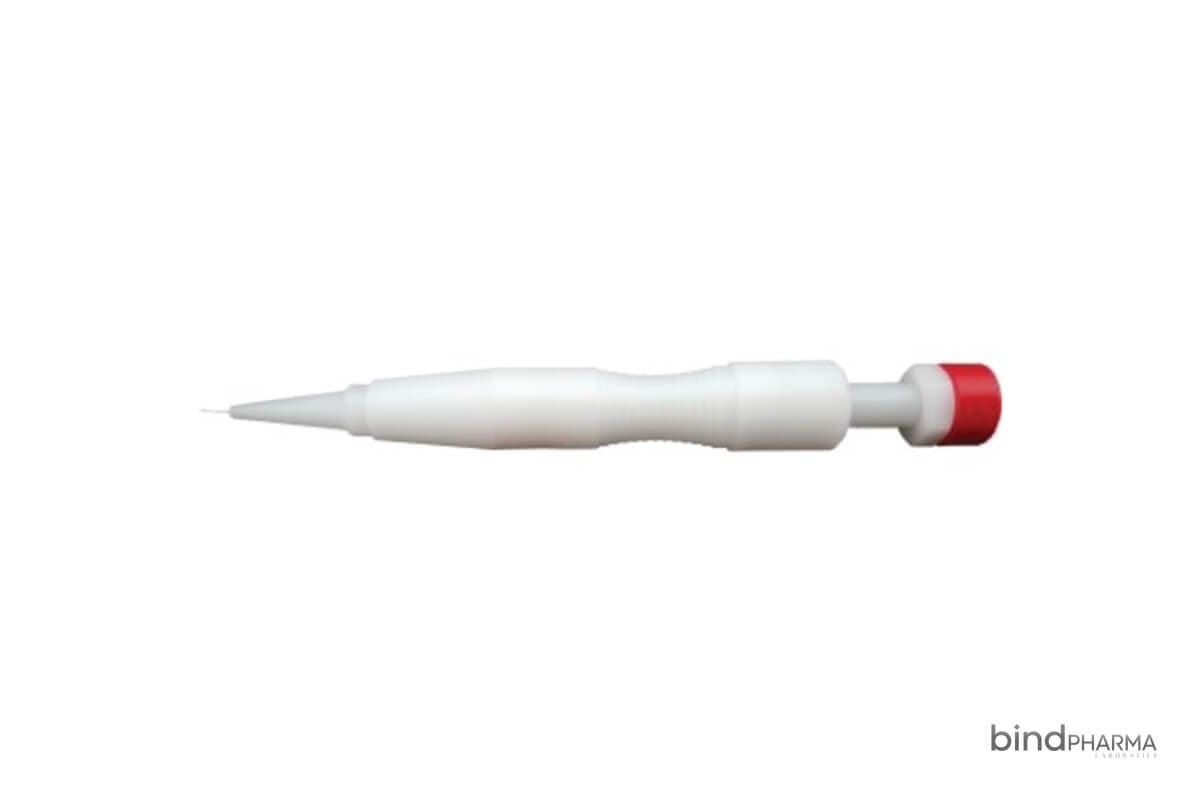
- Punch diameters and quantities per month
- Reusable versus disposable mix
- Motorized, manual or both
- Recipient site blade preferences
2. Vet quality before price
Price is meaningless if the edge fails mid-case. Quality comes first, always.
- Request samples and test sharpness on real grafts, not just on paper.
- Check edge consistency across multiple units and batches.
- Confirm wall thickness and tolerance, not just outer diameter.
- For reusables, ask about expected lifespan and durability under your sterilization cycle.
A supplier confident in their product will send free samples without hesitation. Reluctance to do so is itself a data point.
3. Confirm sterility and documentation
For disposable, single-use punches and blades, sterility is non-negotiable.
- Sterilization method and validated shelf life
- Per-pouch sterilization dates and traceable lot numbers
- Packaging integrity for transport and storage
Clear documentation also matters for your own regulatory and audit obligations.
4. Understand MOQ and lead times
Two numbers govern whether you ever run out: minimum order quantity and lead time.
- What is the MOQ per product and per order?
- What is the typical production and shipping lead time to your country?
- Is scheduled or standing-order replenishment available?
- What happens to lead times during peak demand?
High-volume clinics should negotiate standing orders so restocking never becomes an emergency.
5. Evaluate total landed cost
The quoted unit price is only part of the story. Build a true landed cost.
- Unit price at your volume tier
- Shipping and any customs or duties
- Cost per graft for reusables, factoring in lifespan
- Cost of failure: wasted grafts and lost time from poor instruments
A slightly higher unit price from a consistent manufacturer often wins on cost per graft once failures and re-orders are counted.
6. Assess the supplier behind the product
Who you buy from matters as much as what you buy.
- Is this a manufacturer or a trading middleman? Manufacturer-direct means better pricing, faster problem resolution and roadmap input.
- How responsive is their team to questions before you have even ordered?
- Do they serve clinics like yours? References and a real customer base matter.
- Can they support growth with private-label or distributor terms later?
We are manufacturer-direct through Bind Pharma in Türkiye, trusted by over 100 clinics locally and more than 90 worldwide, with a 99% customer satisfaction rate. That track record is exactly the kind of signal this step is meant to surface.
7. Run a controlled trial before committing volume
Never sign a large standing order on a brochure. Order a small batch or request free samples, run them across several real cases, and track transection, handling and durability against your current instruments. Let the data decide.
8. Document and review
Once you choose a supplier, write down the terms, MOQ, lead times and quality benchmarks, and review them quarterly. Supply needs change as your clinic grows, and a periodic review keeps your sourcing aligned with your case volume.
A clinic that follows a checklist like this rarely faces stockouts, quality surprises or budget shocks. Procurement becomes a quiet, dependable system instead of a recurring fire drill.
Ready to put a supplier through this checklist? Request a free sample or a wholesale quote and benchmark our FUE punches and instruments against your current sourcing.