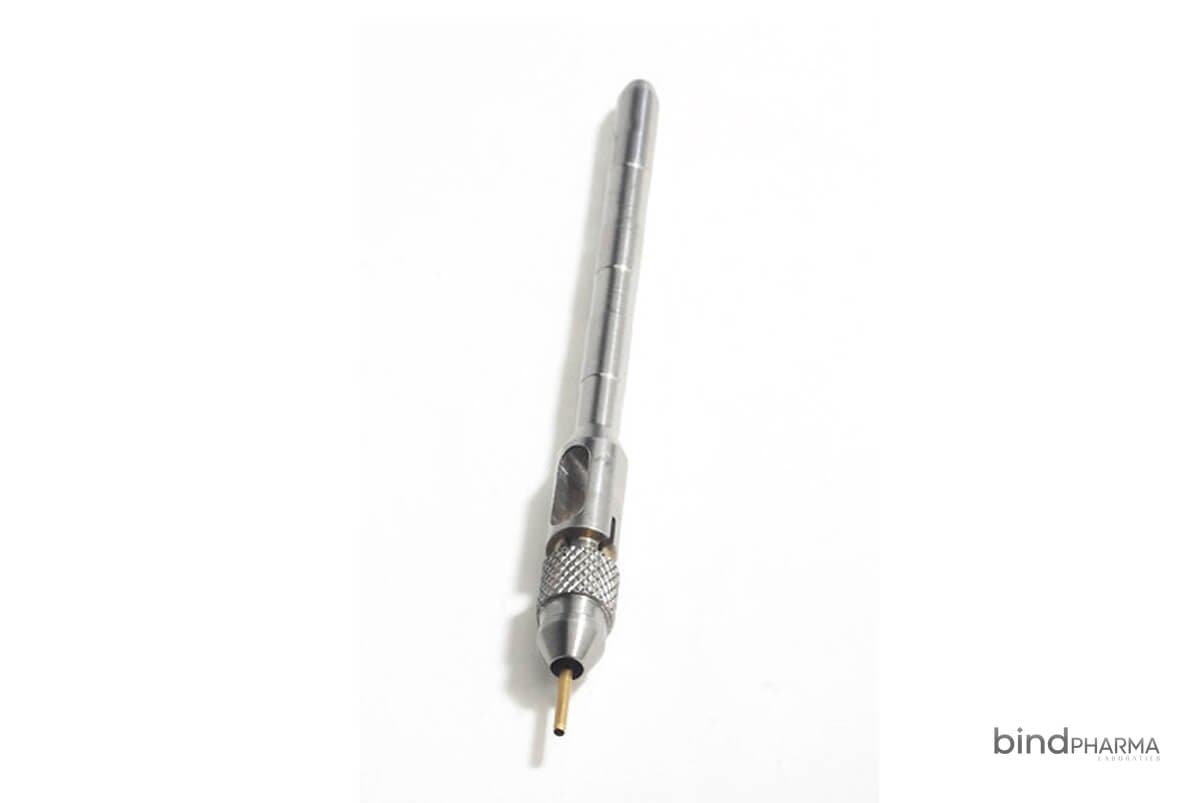
Few choices in FUE generate as much debate as sharp versus serrated punches. Both extract grafts; both have devoted advocates. The truth is that neither is universally superior — each excels in specific conditions, and the surgeon who understands the trade-offs can match the tool to the patient and the technique.
This guide explains how sharp and serrated FUE punches behave, and when each one earns its place in your tray.
How a sharp punch works
A sharp punch has a smooth, continuous cutting edge. It scores the skin cleanly and relies on a precise, often shallow scoring depth followed by gentle extraction. Because the edge is uninterrupted, it cuts with minimal resistance when it is genuinely sharp.
Strengths of a sharp punch:
- Clean, low-force entry that protects the follicular unit
- Excellent on soft, elastic or thin skin where a smooth edge tracks predictably
- Precise control of scoring depth for experienced hands
- Minimal tissue tearing when technique is consistent
The trade-off is that a smooth edge can skid or "chatter" on tough, fibrous or scarred tissue, and it depends heavily on the punch actually being sharp. A dull smooth edge punishes the surgeon immediately with higher insertion force and rising transection.
How a serrated punch works
A serrated punch has small teeth along the cutting edge. Those teeth grip the skin and saw through tissue rather than relying on a single clean slice. This grip is the serrated punch's defining advantage.
Strengths of a serrated punch:
- Grips and cuts firm, fibrous, calloused or scarred skin that a smooth edge skids across
- Resists slipping at the point of entry, improving control on tough tissue
- Often tolerant of a slightly wider technique window for newer operators on difficult skin
The trade-off is that the sawing action can be more aggressive on delicate tissue, and serrations can generate more friction and heat if the surgeon lingers. On soft, elastic skin a serrated edge may be more than the case requires.
Matching edge to skin type
Skin type is the single biggest factor in choosing between the two.
- Soft, thin, elastic skin generally favors a sharp punch, which enters cleanly without over-cutting.
- Tough, thick, fibrous or African-textured skin with curly follicles often favors a serrated or hybrid edge that grips and resists deflection.
- Scarred tissue or repair cases frequently benefit from a serrated edge that bites into firm scar rather than sliding off it.
Skin laxity also matters. Loose skin moves under a smooth edge and can complicate scoring; a serrated edge that grips can steady the entry.
Matching edge to hair characteristics
Follicle geometry influences the choice as much as skin does. Tightly curled hair, where the follicle curves significantly beneath the surface, raises transection risk regardless of edge type — but the grip of a serrated punch combined with a careful, shallow approach can help on the toughest curly cases. Straight, well-aligned follicles in soft skin are usually a textbook fit for a sharp punch.
Follicular unit density and graft caliber play in too: large multi-hair units in firm skin can call for a grippier edge, while fine single-hair units in soft skin reward the precision of a smooth one.
Matching edge to technique
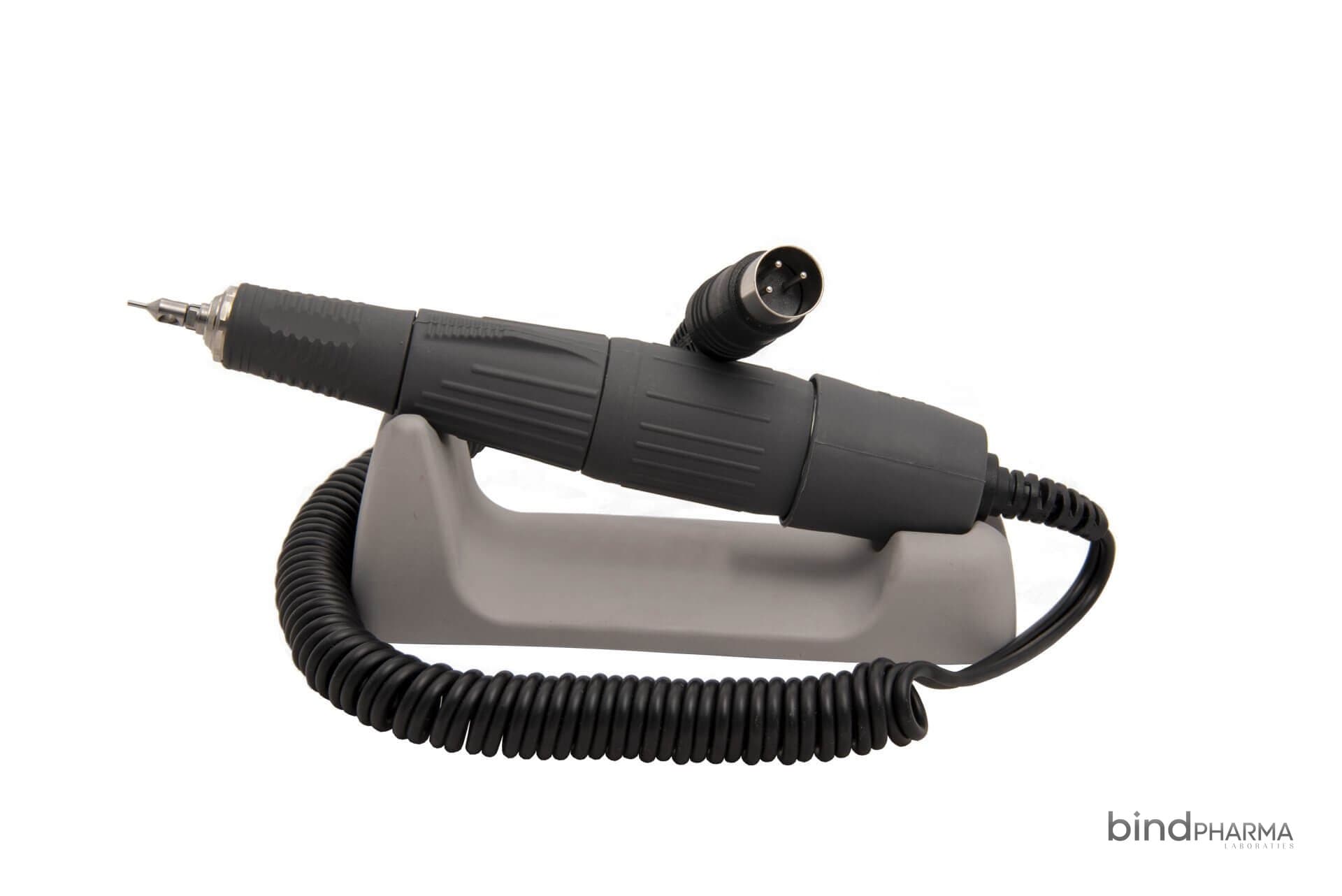
Technique ties it together. Surgeons who use a manual, shallow scoring approach with gentle rotation often prefer a sharp punch for its precision. Those using motorized or oscillating systems sometimes lean toward serrated or hybrid edges because the powered action complements the grip.
Whatever the edge, two principles hold:
- Keep scoring depth controlled — over-scoring raises transection with any punch
- Replace or rotate punches before the edge degrades, because a tired edge of either type increases graft damage
Hybrid and the case for keeping a range
Many manufacturers now offer hybrid geometries that blend a sharp leading edge with subtle serration, aiming to capture clean entry and reliable grip in one tool. These can be a strong default for clinics treating diverse patients.
The practical takeaway: the best clinics do not pick one edge and force every patient onto it. They keep a small, deliberate range — sharp for soft skin and fine follicles, serrated or hybrid for tough or scarred tissue — and choose per case. The cost of stocking both is trivial against the cost of a higher transection rate on the wrong patient.
Test both on your own patients
Edge preference is genuinely surgeon- and population-specific. What works for a clinic treating predominantly soft-skinned patients may not transfer to a clinic seeing tough or scarred tissue. The only way to settle it is to test both on the skin types you actually treat, holding your technique constant and tracking transection.
If you want to compare sharp and serrated geometries on your own cases, request free samples of each and run a controlled trial. When you have found the edges that fit your patients, ask for a wholesale quote and stock the range with confidence.