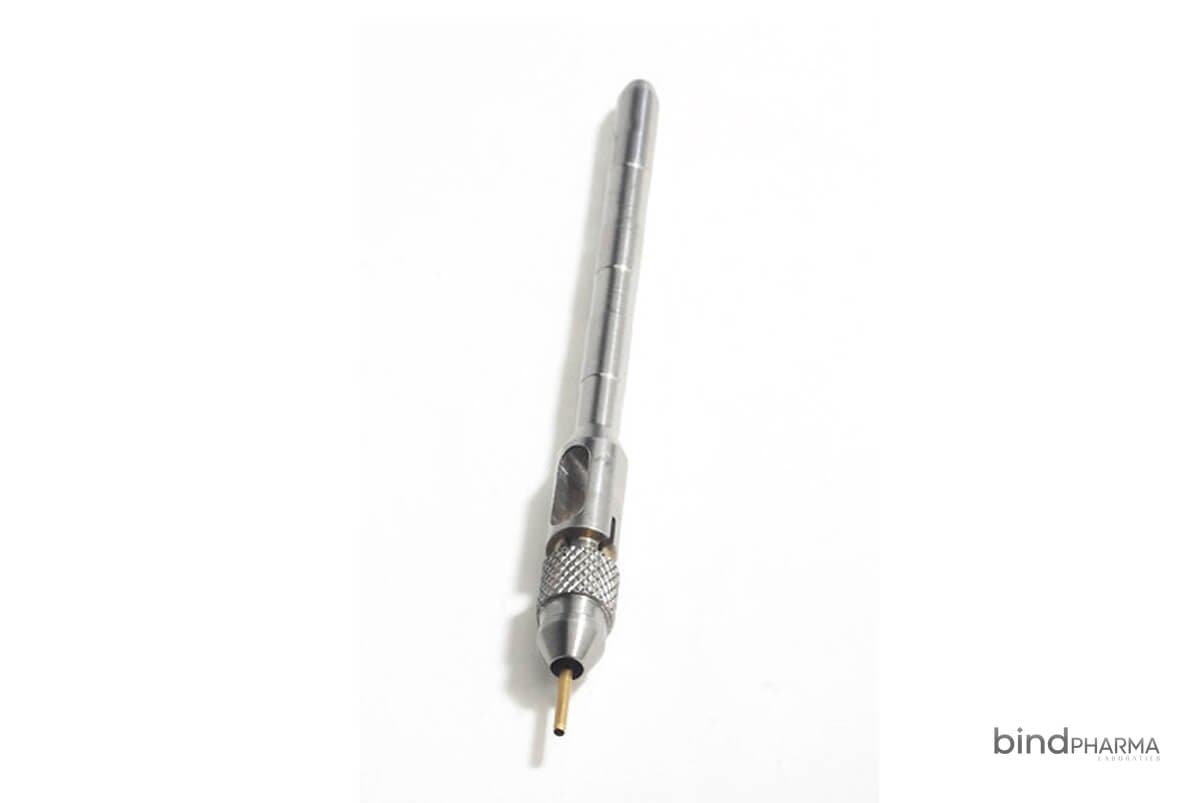
Extraction gets most of the attention in FUE, but the recipient site decides how natural and dense the result looks. The blade that creates those sites, sapphire or steel, shapes incision quality, achievable density and healing. This guide compares the two and helps clinics decide what to keep in stock.
Why recipient site creation matters
Recipient sites determine the angle, direction and depth at which every graft sits, and how tightly grafts can be packed without compromising blood supply. A clean, precisely sized incision protects surrounding grafts and speeds healing. A ragged or oversized one invites popping, poor angulation and slower recovery. The instrument matters.
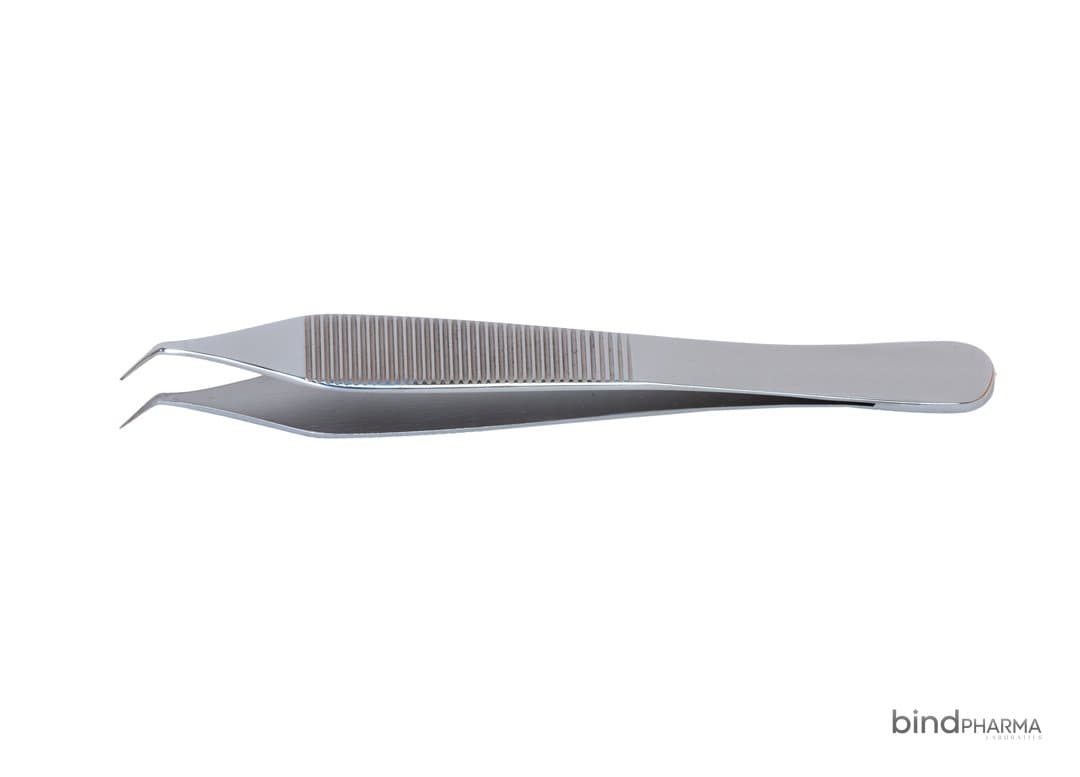
What sapphire blades bring
Sapphire blades are made from synthetic crystal ground to a fine, smooth point, typically in a V-shape. Their appeal lies in the geometry and surface they create.
- Smoother incisions. The polished crystal edge tends to part tissue cleanly with minimal friction.
- Tighter spacing. The V-profile can support dense packing while preserving tissue bridges between sites.
- Reduced trauma. Many surgeons report less micro-tearing and edema with a well-made sapphire blade.
- Durability. Sapphire holds its edge well across a case, though it is brittle and can chip if mishandled.
Sapphire blades are sized to graft caliber, so clinics typically stock a range of widths to match single, double and multi-hair grafts.
What steel blades bring
Steel blades, including custom-cut blades from a blade-cutting system, remain a proven, flexible standard.
- Custom sizing. Steel can be cut to a precise width for the exact graft on hand, case by case.
- Flat or sagittal options. Steel supports a wide range of incision shapes and orientations.
- Sharp initial edge. A fresh steel blade is extremely sharp out of the pack.
- Cost flexibility. Disposable steel blades and blade-cutter setups offer economical per-site costs.
The trade-off is that steel edges can dull within a case and lack the rounded V-geometry some surgeons prefer for the smoothest channels.
Head to head
Neither blade is universally superior; they suit different priorities.
- For maximum density with smooth, low-friction channels, many surgeons favor sapphire.
- For case-by-case custom sizing and incision-shape flexibility, steel is hard to beat.
- For brittle-handling caution, sapphire demands more careful technique and storage.
- For predictable per-site cost, disposable steel often wins.
The most equipped clinics do not choose one forever. They keep both and select per patient, per zone and per graft type.
Technique still leads
No blade compensates for the fundamentals. Site angle, direction, depth and density planning drive the result more than the material in your hand. A surgeon comfortable with steel will outperform one fumbling with unfamiliar sapphire, and vice versa. Choose the instrument you can wield consistently, then refine.
Sourcing both reliably
Whichever you favor, recipient site instruments are a recurring consumable, which means supply reliability and edge consistency matter as much as they do for your FUE punches. Sapphire blades that chip on arrival or steel that varies in sharpness will cost you cases. Sourcing blades and punches from one manufacturer-direct partner simplifies procurement, consolidates your purchasing and keeps quality consistent across your instrument tray.
As a manufacturer in Türkiye supplying clinics worldwide, we hold our recipient site instruments to the same sharpness and consistency standard as our punches, backed by a 99% customer satisfaction rate.
Building or restocking your recipient site kit? Request a free sample or a wholesale quote and compare our sapphire and steel options side by side.