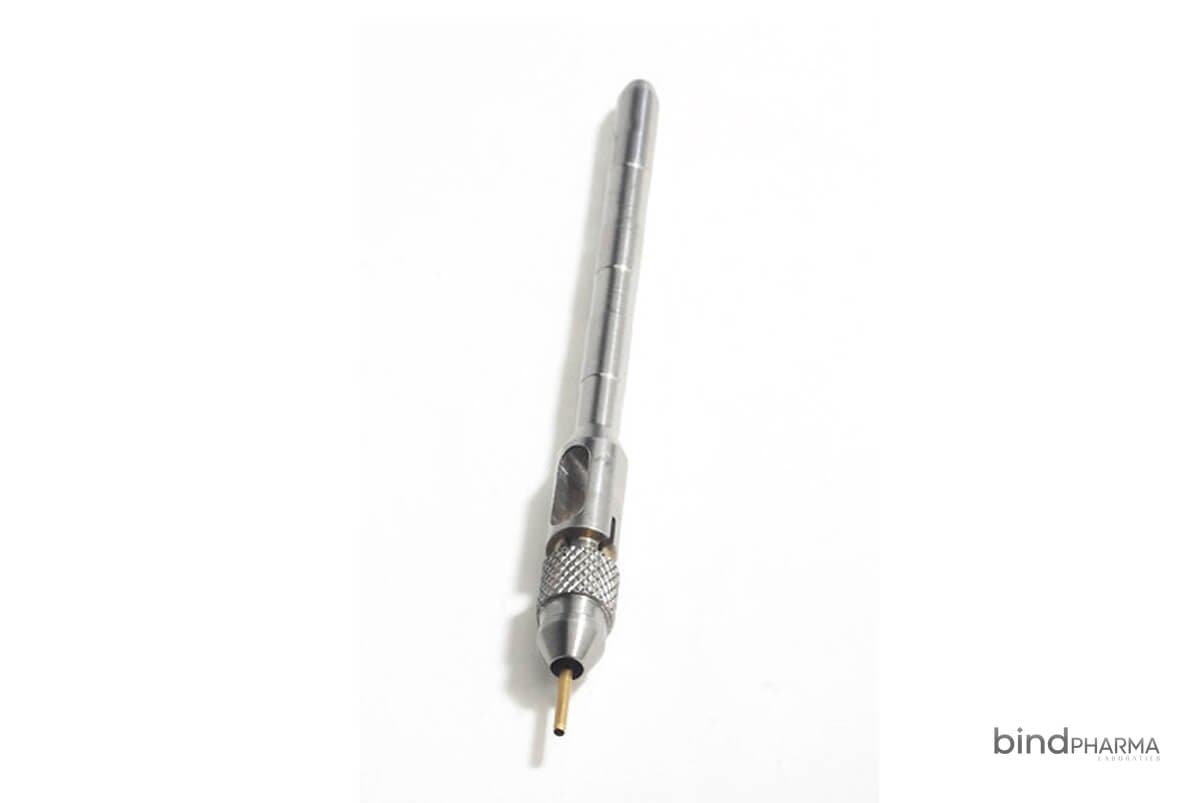
Transection rate is the most honest number in FUE. It measures how many follicular units are damaged during extraction, and it directly affects graft survival and final density. Lowering it is partly technique and partly the FUE punch in your hand. This guide covers both.
What transection actually costs
Every transected graft is a follicle that may not grow. A clinic running a 10% transection rate is, in effect, wasting one graft in ten before it ever reaches the recipient site. Over a 3,000-graft case that is hundreds of follicles. Because donor supply is finite for every patient, reducing transection is one of the few quality levers that compounds across an entire career.
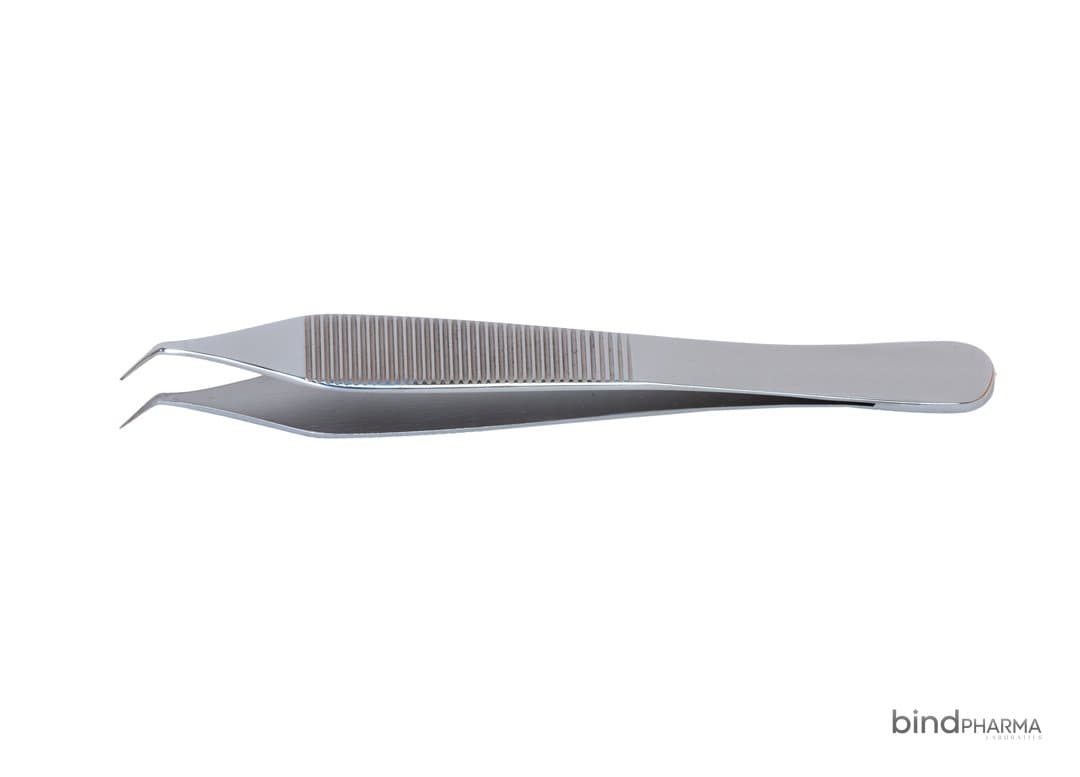
Punch sharpness comes first
A dull edge does not cut cleanly; it pushes, tears and drags surrounding tissue, which is exactly how follicles get severed. The sharper the punch, the less downward force and rotation you need, and the more the cut follows the follicle rather than slicing across it.
This is why edge quality is the specification that matters most when sourcing. A punch that is sharp out of the pouch but dulls after twenty grafts is a false economy. Consistency batch to batch, and across the working life of a reusable punch, is what keeps transection low all day.
Choosing the right diameter
Diameter is a balance. Too small and the punch shears the follicle as it descends; too large and you take excess tissue, slow healing and risk a visible donor pattern.
- Most surgeons work in the 0.8 mm to 1.0 mm range, adjusting to the patient.
- Match diameter to follicular unit size: larger, multi-hair units need more clearance.
- Coarse, curly or African-type hair often benefits from a slightly larger punch to accommodate follicle splay beneath the skin.
- Fine, straight hair can tolerate a smaller diameter with less transection risk.
Keeping several diameters in your kit, rather than forcing every patient through one size, is one of the simplest ways to bring transection down.
Sharp versus blunt (dull-tipped) punches
Sharp punches score cleanly and quickly but demand precise depth control. Blunt or "dull-tip" punches are designed to dissect around the follicle rather than cut through it, trading a little speed for forgiveness on splayed or angled grafts. Many clinics keep both and switch based on hair characteristics and donor zone. Neither is universally better; the skill is matching the tool to the follicle.
Technique: the variables you control
Even the best punch cannot rescue poor alignment. The fundamentals:
- Read the angle. Align the punch axis with the direction the hair exits the skin, then with the deeper follicle angle, which often differs.
- Control depth. Score the upper dermis to release the graft, then extract; over-deep scoring multiplies transection.
- Limit rotation and force. A sharp punch needs little of either. If you are leaning on it, the edge is dull or the diameter is wrong.
- Respect tissue turgor. Adequate tumescence stabilizes follicles and reduces splay during scoring.
- Audit yourself. Track transection rate per session and per punch so you can see what actually moves the number.
Motorized and manual considerations
Motorized systems offer speed and consistent rotation, which can lower transection in skilled hands, but they punish a dull edge quickly because the punch is doing more work per second. Manual extraction gives maximum tactile feedback and depth control. Whichever you use, sharpness and correct diameter remain the foundation.
The supplier's role
A wholesale FUE punch supplier influences your transection rate more than most clinics realize. If edges vary from batch to batch, your results will too. We focus on delivering some of the sharpest punches on the market with consistent tolerances, which is why we are trusted by over 100 clinics in Türkiye and more than 90 worldwide.
If transection has crept up in your last few cases, the fix may be as simple as a sharper, better-matched punch. Request a free sample or a wholesale quote and benchmark your transection rate against your current instruments.