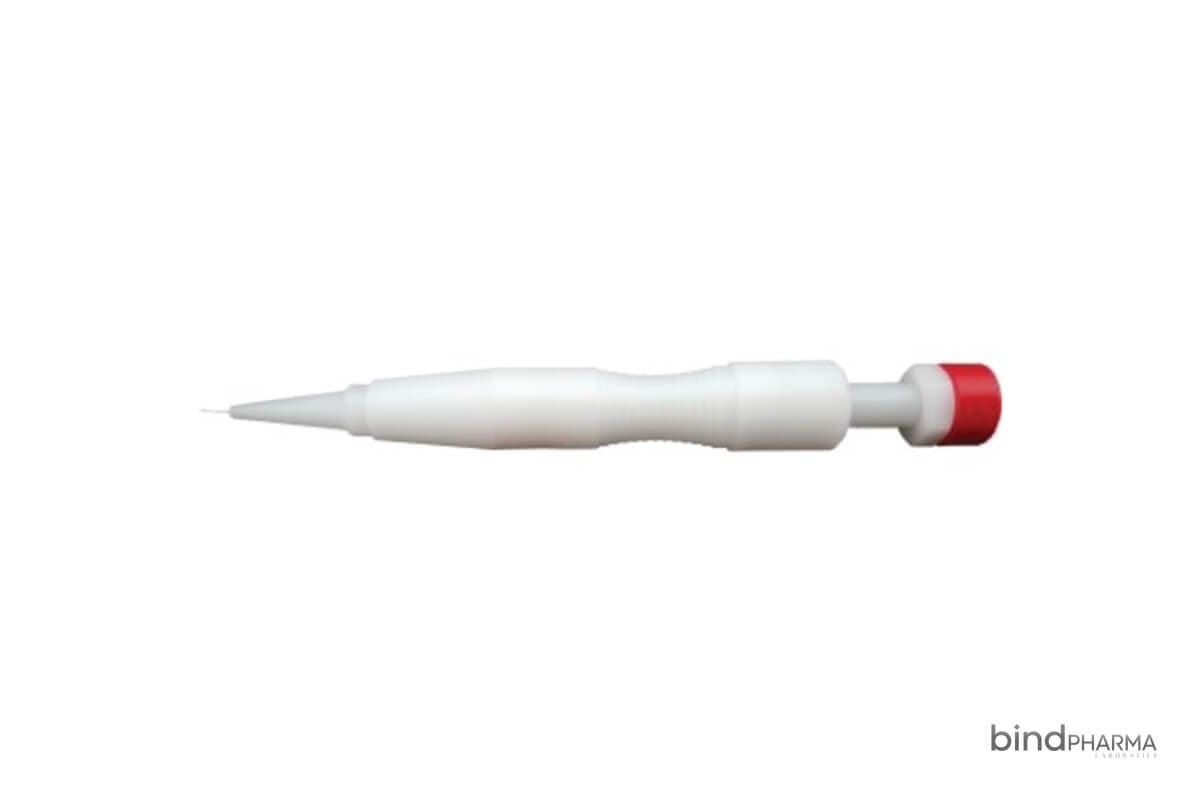
Two FUE punches can look identical in a product photo and perform nothing alike at the skin. The difference is quality control, the unglamorous discipline that turns a piece of metal tubing into a precision surgical instrument. Clinics rarely see the QC behind their punches, but understanding it is the best way to judge a FUE punch supplier.
Why QC decides clinical outcomes
A punch interacts with living tissue at sub-millimetre scale. A few microns of edge dullness, a diameter that drifts off spec, or a burr left on the cutting edge translates directly into transected follicles, larger wounds and slower healing. The clinical result a surgeon achieves is partly skill and partly the consistency of the instrument in their hand. Manufacturing QC is where that consistency is won or lost.
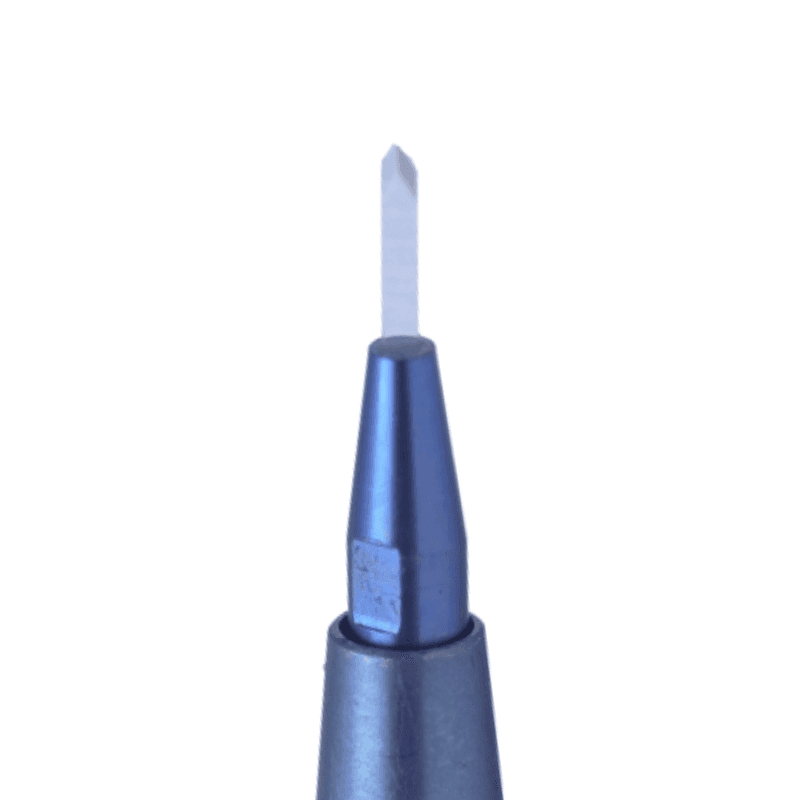
Edge sharpness: the headline metric
Sharpness is the single most important property of a FUE punch, and it is also the hardest to fake. A truly sharp edge scores skin with minimal force, follows the follicle cleanly and produces a small, clean wound. A dull or roughly finished edge tears, requires more force and pushes the punch deeper than intended.
Good manufacturing controls edge quality through:
- Controlled grinding and finishing to a defined edge geometry rather than an approximate bevel.
- Microscopic inspection of edges to catch burrs, chips and rolled edges before they ship.
- Sampling across the batch, not just the first unit, so the last punch in a lot is as sharp as the first.
This is the basis of the claim to among the sharpest punches on the market: it is verified at the edge, not asserted on the label.
Diameter tolerance: the size must be the size
A punch labelled 0.8 mm must actually measure 0.8 mm within a tight tolerance. Drift means a surgeon who selected a size for a specific hair caliber is unknowingly using something else, with predictable consequences for transection and scarring.
QC for diameter involves precision measurement of inner and outer diameter across the production run and rejection of any unit outside tolerance. Tight, verified tolerance is what lets a surgeon trust the printed size.
Material grade and consistency
The steel or titanium grade determines how well an edge can be ground and how long it holds. Reputable manufacturing starts with certified material of a known grade and tracks it through production. For reusable titanium punches, this is what underpins a long-term use guarantee, the edge survives repeated use and reprocessing because the material and the heat treatment are controlled.
Sterility validation for disposables
For single-use punches, sterility is a documented process, not a sticker. Proper QC includes:
- A validated sterilisation method, typically gamma irradiation, with documented dosage.
- Per-pouch sterilisation dates and validated shelf life.
- Sterile barrier integrity testing so the pouch actually protects the punch until use.
A supplier that cannot show this documentation is asking the clinic to take sterility on trust, which no clinic should do.
Lot traceability closes the loop
Mature QC means every punch can be traced to a production lot. If a clinic reports an issue, the manufacturer can identify exactly which batch is affected, isolate it and correct the process. Traceability is also what makes a recall, should one ever be needed, fast and contained rather than chaotic. Ask any prospective supplier whether their punches carry lot numbers and whether they retain batch records.
What this means when you buy
You cannot stand in the factory, but you can test the output of its QC. The practical proxies are:
- Request samples across multiple batches and compare edge feel and performance.
- Measure diameters if you have the means, or ask for tolerance data.
- Demand sterility documentation for disposables.
- Confirm lot traceability exists.
A supplier whose QC is real welcomes these checks. One whose QC is thin will deflect them. The 99 percent customer satisfaction a serious manufacturer reports is downstream of exactly this discipline, consistent edges, true diameters and validated sterility, batch after batch.
Quality control is invisible in the catalogue and decisive at the skin. Knowing what to look for turns you from a buyer of metal tubes into a buyer of reliable surgical performance.
Want to verify our QC yourself? Request a free sample across several batches and put our edge consistency and diameter tolerance to the test, then ask us for a wholesale quote.