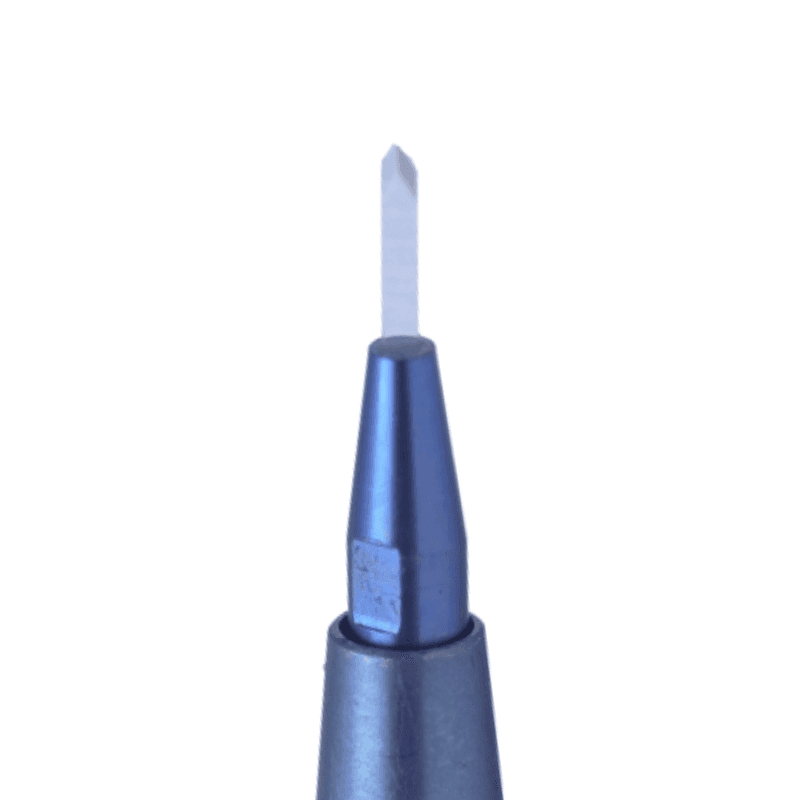
A clinic doing two cases a week and a clinic doing twenty buy consumables in completely different ways. The informal approach that works at low volume, ordering FUE punches when the drawer looks empty, becomes a liability as case numbers climb. Stockouts cancel cases, panic orders cost a premium, and inconsistent suppliers introduce edge variability you cannot afford. Building a supply chain that scales is an operational discipline, not a purchasing afterthought.
Forecast from case volume, not from gut feel
The foundation of a scalable supply chain is a forecast tied to real demand. Track your average grafts per case and your monthly case count, and you can project punch consumption with reasonable accuracy. Disposable punch usage scales almost linearly with grafts; reusable punch replacement scales with cycles of use.
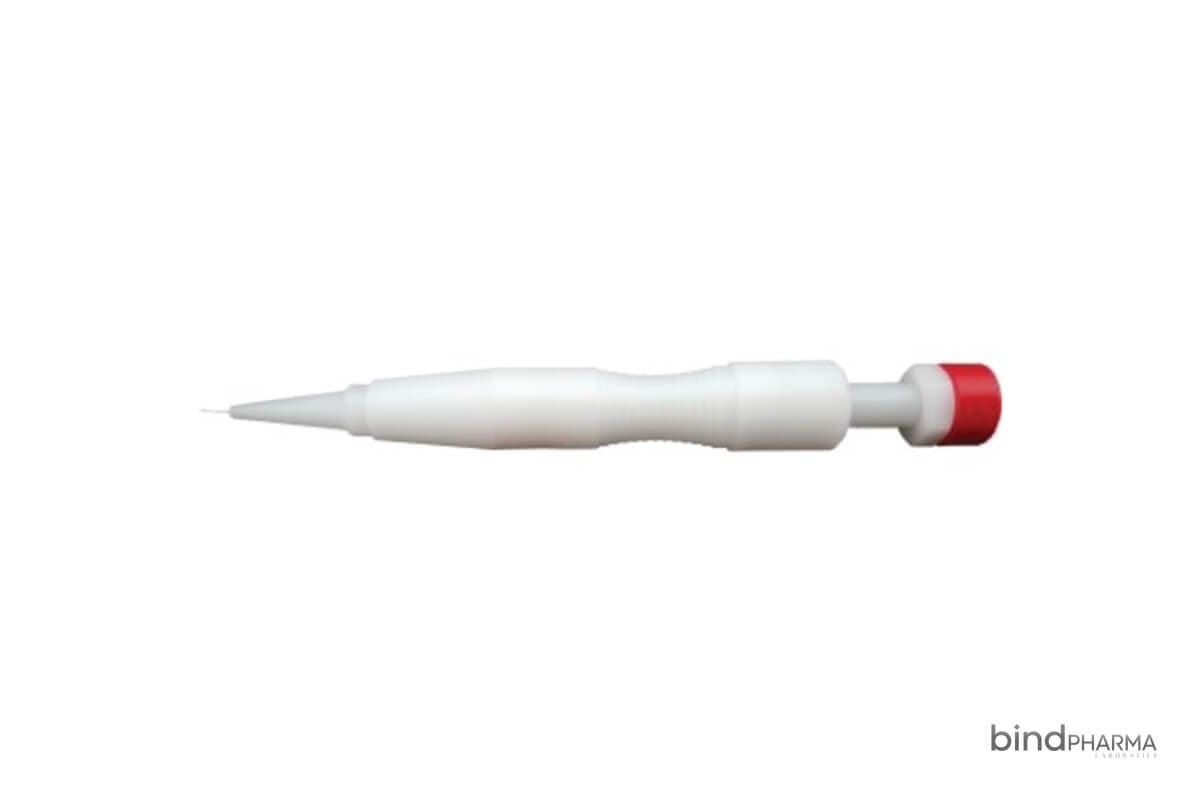
Once you can predict monthly consumption, you can move from reactive ordering to scheduled replenishment, which is where the real savings and reliability live.
Set safety stock and reorder points
Every consumable should have a defined reorder point, the inventory level at which you place the next order, and a safety stock buffer to cover demand spikes and supplier delays. For FUE punches, calculate this from your lead time:
- Know your supplier lead time in days.
- Multiply by your daily consumption to find the lead-time demand.
- Add a buffer for variability, typically enough for one to two extra weeks at high volume.
This single practice eliminates most stockouts without forcing you to tie up cash in months of excess inventory.
Consolidate suppliers, but avoid single points of failure
Buying from too many vendors fragments your pricing power and multiplies the variability in edge quality. Consolidating toward a primary manufacturer-direct supplier gives you better wholesale pricing, consistent edges and a single accountable relationship. Manufacturer-direct sourcing, buying from the maker rather than a trading middleman, also shortens the chain and speeds up problem resolution.
That said, prudent operations keep a qualified backup supplier in reserve so a single disruption cannot halt your schedule. The aim is concentration with a contingency, not dependence.
Negotiate terms that match your scale
As volume grows, your commercial terms should grow with it. Things worth negotiating:
- Volume-tiered pricing so your unit cost falls as your orders rise.
- Scheduled standing orders that lock in supply and often a better price.
- Consignment or extended payment terms to ease cash flow at high volume.
- Reserved stock of your key diameters held by the supplier against your forecast.
A serious wholesale FUE punch supplier will engage on all of these once you can show consistent volume.
Quality consistency is part of the supply chain
Scaling is not only about quantity; it is about sameness. A growing clinic cannot have surgeons adapting to a different edge every batch. Insist on batch-to-batch edge consistency and tight diameter tolerance as a contractual expectation, and request lot traceability so any issue can be isolated quickly. A supplier trusted by 100-plus clinics in Türkiye and 90-plus worldwide has the process maturity to deliver that sameness at volume.
Build the data loop
Mature supply chains improve because they measure. Track consumption per case, scrap and transection-driven waste, lead-time performance and cost per graft over time. Those numbers tell you when to renegotiate, when to adjust safety stock and when a supplier is slipping.
For distributors: the same logic, larger
Distributors face the clinic problem multiplied across every customer they serve. The same principles apply, forecasting, safety stock, manufacturer-direct sourcing and term negotiation, but the payoff is bigger because reliability is the distributor's core promise. Protected territory pricing and dependable lead times from the manufacturer let a distributor scale without gambling on supply.
A supply chain that scales is mostly unglamorous: forecasts, reorder points, consolidated sourcing and good terms. Get those right and your clinic never cancels a case for want of a punch, and your cost per graft trends down as you grow.
If you are scaling and want supply you can forecast against, request a free sample to qualify our punches, then ask us for a wholesale quote with volume-tiered terms and scheduled replenishment.