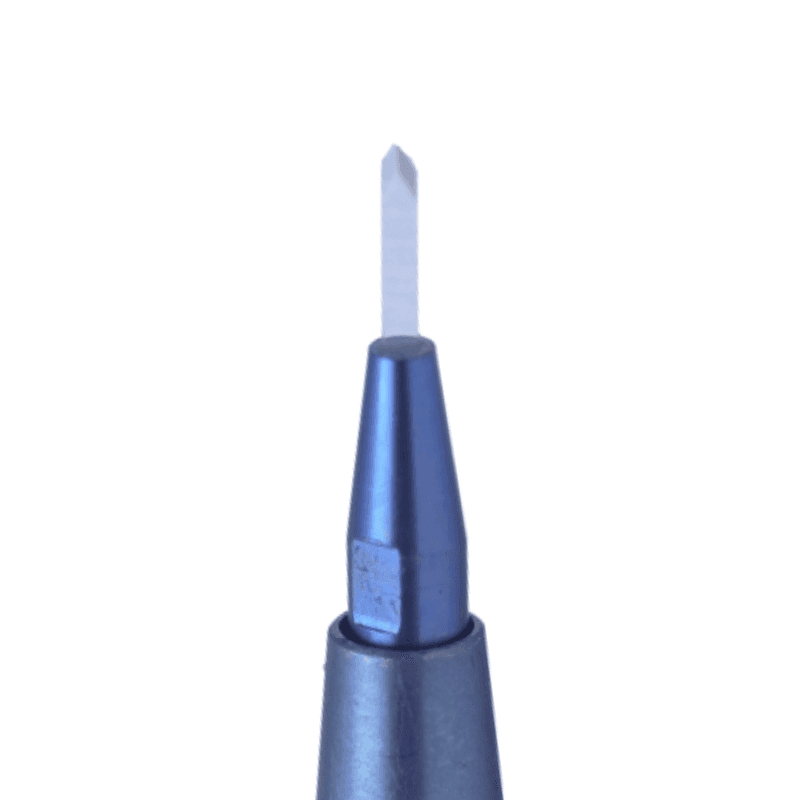
When clinics compare FUE punches they usually look at diameter, sharpness and material. Wall thickness rarely makes the shortlist, yet it quietly shapes wound size, transection risk and donor healing. Understanding this single specification will make you a sharper buyer.
Outer diameter is not the whole story
A punch has two diameters that matter: the outer diameter, which sets the size of the hole in the skin, and the inner diameter, which sets the space available for the follicle. The difference between them, divided in two, is the wall thickness. A 0.9 mm punch with thick walls leaves the same external wound as a 0.9 mm punch with thin walls, but offers far less room inside for the graft.
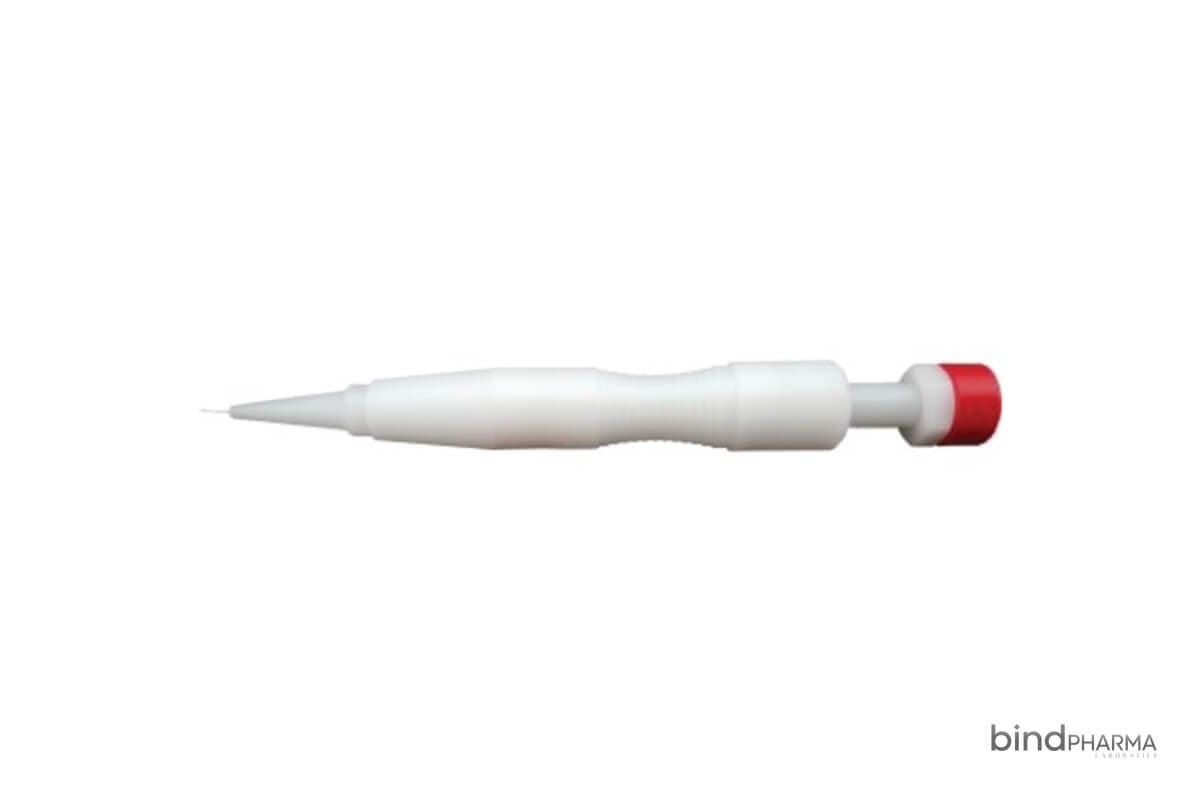
This is why two punches labeled with the same diameter can perform completely differently.
How thin walls reduce transection
A thin wall means more internal clearance for the follicle relative to the external wound. That clearance matters because follicular units splay beneath the skin: roots spread wider than the surface suggests. When the inner bore is generous, the punch can descend around a splayed unit without slicing into it. When the wall is thick, the same follicle is more likely to contact the cutting edge and transect.
In effect, a thin-walled punch lets you keep the external wound small, for better healing, while still giving the follicle the room it needs. That is the design sweet spot every FUE punch aims for.
The healing and aesthetics angle
Smaller external wounds heal faster, scar less and preserve donor density. A thin wall lets a surgeon choose a smaller outer diameter than a thick-walled punch would allow for the same follicle, because the internal clearance is not the limiting factor. The payoff shows up as less visible scarring and a more harvestable donor zone over a patient's lifetime.
- Smaller punctures mean quicker re-epithelialization.
- Less surrounding tissue is removed, preserving donor reserve.
- Pinpoint scars are easier to hide, even with shorter hairstyles.
The engineering trade-off
If thin walls are so good, why not make every wall razor-thin? Because thinner walls are harder to manufacture and easier to deform. A wall that is too thin can flex, dent or roll at the edge, especially under the speed and force of motorized FUE. The skill in punch manufacturing is grinding the wall as thin as possible while keeping it strong, round and durable.
This is precisely where a real manufacturer separates itself from a trading reseller. Achieving a thin, concentric, durable wall demands tight tolerance control, quality metal and proper grinding. It cannot be faked on a spec sheet.
What to ask your supplier
When you evaluate a wholesale FUE punch supplier, go beyond outer diameter:
- What is the inner diameter, not just the outer, at each size?
- How consistent is wall thickness around the circumference and along the shaft?
- Does the thin wall hold up across the punch's rated lifespan or in motorized use?
- Can you supply samples to test wall performance on real grafts?
A supplier who can answer these clearly is one who actually controls their process.
Why it matters for your bottom line
Wall thickness is not an abstract engineering detail. It connects directly to transection rate, healing time and patient satisfaction, and those drive your reputation and repeat referrals. Choosing punches with thin, precisely machined walls is one of the highest-leverage decisions in your instrument budget.
Our punches are ground to thin, concentric walls that pair small external wounds with generous internal clearance, and they are built to hold that geometry across long-term use. It is part of why we are trusted by more than 100 clinics in Türkiye and 90-plus worldwide as a manufacturer-direct partner.
Curious how our wall geometry performs on your grafts? Request a free sample or a wholesale quote and compare it directly against your current hair punch.