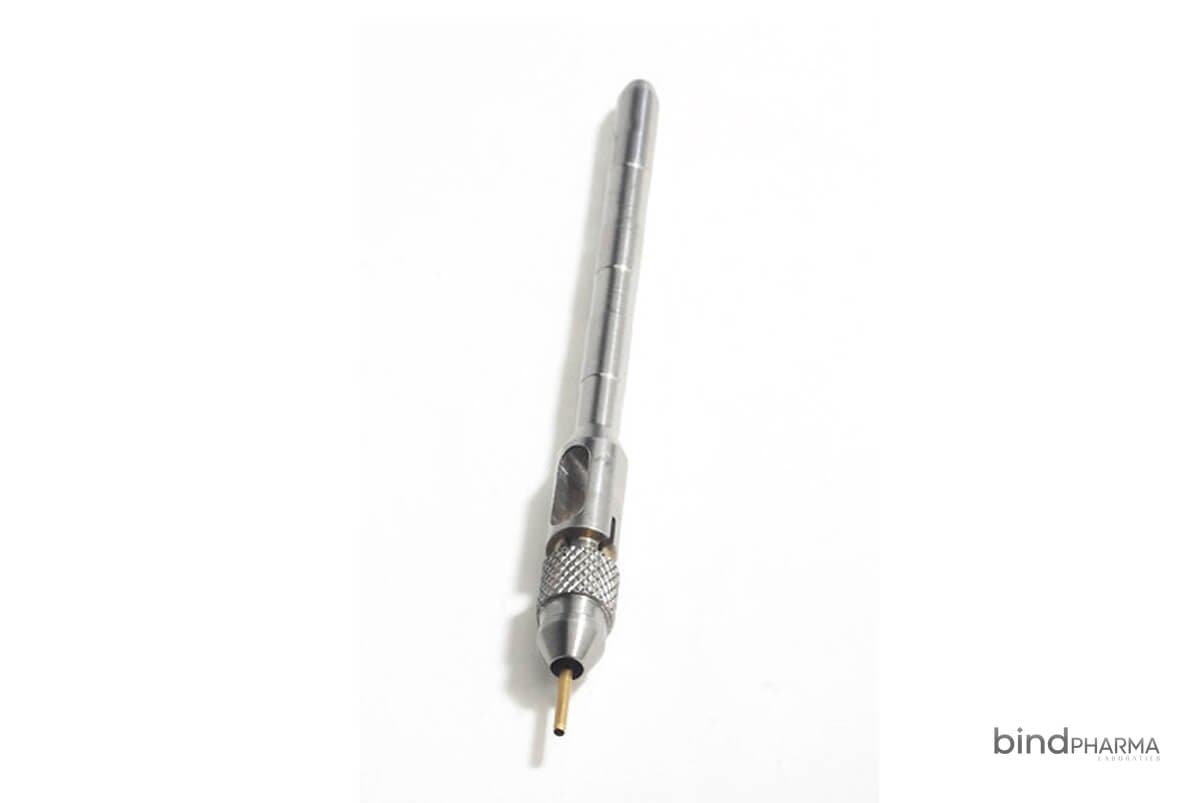
The FUE punch looks like a simple instrument, but the way clinics select, buy and use punches keeps evolving. As 2026 progresses, several trends are reshaping what clinics and distributors should prioritise. None are gimmicks; each affects either clinical outcomes or cost. Here is what to watch.
1. Hybrid edge geometries become mainstream
The old binary of sharp versus blunt is giving way to hybrid and serrated edge designs that try to capture the best of both, a clean score on entry with reduced transection through the follicle's curve. Serrated punches, once a specialist tool for curly and Afro-textured hair, are increasingly stocked as standard because they give surgeons control on difficult or mobile skin. Expect more clinics to carry a range of edge types rather than a single house style.
2. The push toward smaller diameters continues
Patient demand for faster healing and less visible donor scarring keeps pressure on diameter. Surgeons continue to work at the smallest viable size for each hair caliber, which only succeeds when punches hold a genuinely sharp, true-to-spec edge. The trend rewards manufacturers with tight diameter tolerance and penalises those whose sizes drift. Smaller is only safe when the edge and the tolerance are excellent.
3. Sustainability enters the consumables conversation
The disposable versus reusable debate is no longer purely about cost. Clinics are starting to weigh the waste footprint of single-use instruments, and patients increasingly ask about it. This nudges some clinics back toward durable reusable titanium punches with a long-term use guarantee, where a single instrument serves many cases. Expect supply decisions in 2026 to factor in environmental as well as financial cost.
4. Traceability and documentation expectations rise
Regulatory scrutiny and clinic governance are raising the bar on documentation. Lot traceability, validated sterility records and material certification are shifting from nice-to-have to expected. Clinics that once bought on price alone now ask for batch records and sterility validation as standard. Suppliers without mature documentation will find more doors closed to them.
5. Manufacturer-direct sourcing keeps gaining ground
Clinics and distributors are continuing to cut out trading middlemen and buy direct from manufacturers. The logic is straightforward: manufacturer-direct sourcing means better wholesale pricing, faster problem resolution, genuine lot traceability and even input into product development. As margins tighten and quality expectations rise, the direct relationship with a maker like Bind Pharma becomes more valuable than a reseller's convenience.
6. Consolidation toward proven, high-trust suppliers
Fragmented buying across many low-cost vendors is falling out of favour. Clinics are consolidating toward a smaller number of suppliers with a proven track record, the kind trusted by 100-plus clinics in Türkiye and 90-plus worldwide, because consistency at volume matters more than chasing the lowest unit price. Consistency, not novelty, is the watchword.
7. Expansion into beard and body hair drives tooling diversity
As body-hair transplant becomes a more routine part of large cases, clinics need a wider range of punch diameters and edge types to handle scalp, beard and body donor zones. The trend is toward stocking a fuller ladder of sizes and edge styles rather than a one-size house punch. Distributors that carry the full range will serve these clinics better.
8. Data-driven consumable management
Mature clinics are bringing supply-chain discipline to consumables, forecasting punch usage from case volume, setting reorder points and tracking cost per graft over time. This operational rigour, borrowed from broader inventory management, lets clinics negotiate better wholesale terms and avoid the stockouts that cancel cases. Expect more clinics in 2026 to treat punches as a managed supply line rather than an ad-hoc purchase.
What it adds up to
The through-line across these trends is the same: clinics are getting more sophisticated buyers. They want sharper edges and smaller, true-to-spec diameters; they want documentation and traceability; they want durable instruments and a smaller waste footprint; and they want to buy direct from a proven manufacturer on dependable wholesale terms. The suppliers that thrive in 2026 will be the ones that meet all of that at once, not just the cheapest unit price.
For clinics and distributors, the practical takeaway is to audit your current supply against these trends and close the gaps before your competitors do.
Want to see how your tooling measures up to where 2026 is heading? Request a free sample of our latest punches, or ask us for a wholesale quote with manufacturer-direct terms.