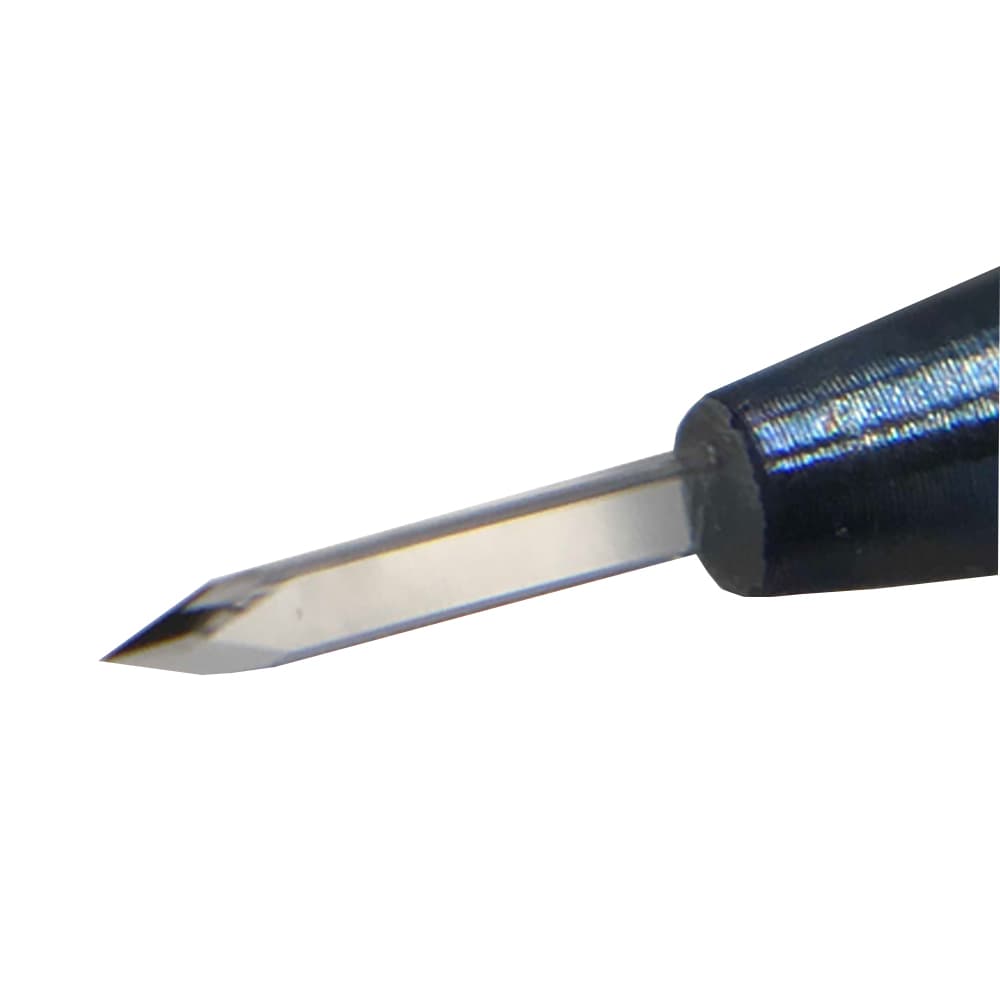
Running out of FUE punches mid-week is one of the most avoidable problems in a clinic, and one of the most disruptive. Good inventory planning comes down to two numbers, minimum order quantity and lead time, and how you build a buffer around them. This guide shows clinics and distributors how to plan with confidence.
The two numbers that govern supply
Every purchasing decision rests on these.
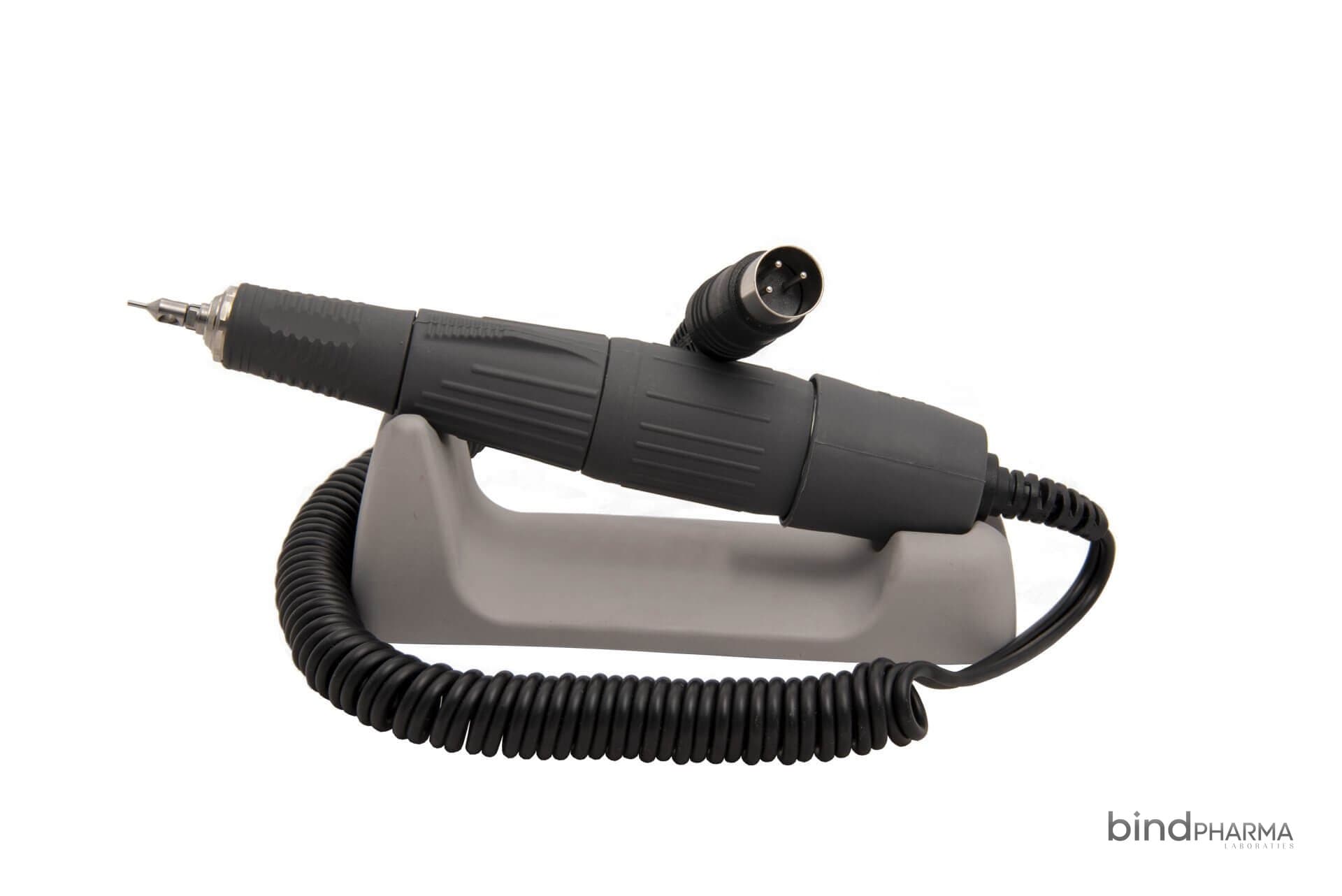
- MOQ (minimum order quantity) is the smallest amount a supplier will produce or ship per order or per SKU. It sets the size of each purchase.
- Lead time is how long from placing an order to having product in hand, covering production, packaging and shipping to your country.
Treat them together. A low MOQ with a long lead time still forces you to order early; a short lead time with a high MOQ still ties up cash. Plan around both.
Know your true consumption
You cannot plan inventory you have not measured. Track how many punches you actually use, by diameter, per week or per month, including the ones retired through wear, not just those used in cases. Reusable lifespan and disposable volume both feed this number. Once you know real consumption, every other calculation follows.
Calculate your reorder point
The reorder point is the stock level that triggers a new order so you never hit zero. A simple, reliable version:
- Reorder point equals average usage during the lead time, plus a safety buffer.
- For example, if you use 200 punches a week and lead time is three weeks, you consume roughly 600 during lead time. Add a safety stock of, say, 200, and you reorder at 800 units on hand.
Set this level per key SKU and you remove guesswork from restocking entirely.
Size your safety stock sensibly
Safety stock absorbs the surprises: a demand spike, a customs delay, a busy season. Size it against your risk.
- Larger buffers for high-velocity diameters you cannot run cases without
- Larger buffers if lead times to your country are long or variable
- Smaller buffers for slow-moving or specialty sizes
- Account for seasonal peaks when transplant demand rises
Safety stock is insurance. Too little risks canceled cases; too much ties up cash and shelf space. Aim for the level that lets you sleep without overbuying.
Work with MOQ, not against it
MOQ is often seen as an obstacle, but it can work in your favor.
- Consolidate orders across diameters to meet MOQ efficiently in one shipment.
- Use higher-volume tiers to unlock better per-unit pricing.
- For predictable demand, negotiate a standing order or scheduled replenishment so production is reserved ahead of need.
- Avoid over-ordering rarely used sizes just to clear a separate MOQ.
A manufacturer-direct supplier can often offer more flexible MOQ and replenishment terms than a trading reseller, because they control production scheduling directly.
Build supplier reliability into the plan
The best plan assumes your supplier delivers on time, every time, so choose accordingly. Consistent lead times are as valuable as short ones, because predictability is what lets you run lean without risk. A supplier who quotes three weeks and hits it reliably is easier to plan around than one who promises two and varies wildly.
We are manufacturer-direct through Bind Pharma in Türkiye, supplying over 100 clinics locally and more than 90 worldwide, which means we plan our own production capacity to keep your lead times steady and your reorders dependable.
For distributors: plan a layer deeper
Distributors carry the additional job of buffering their own customers. That means holding enough stock to absorb client demand swings while managing your own MOQ and lead time with the manufacturer. Forecast across your customer base, hold safety stock on top sellers, and coordinate standing orders so you are never the bottleneck for the clinics that rely on you.
Plan it once, review it quarterly, and stockouts stop being part of your vocabulary.
Want help modeling your reorder points and lead times? Request a free sample or a wholesale quote and we will help you build an inventory plan that fits your volume.