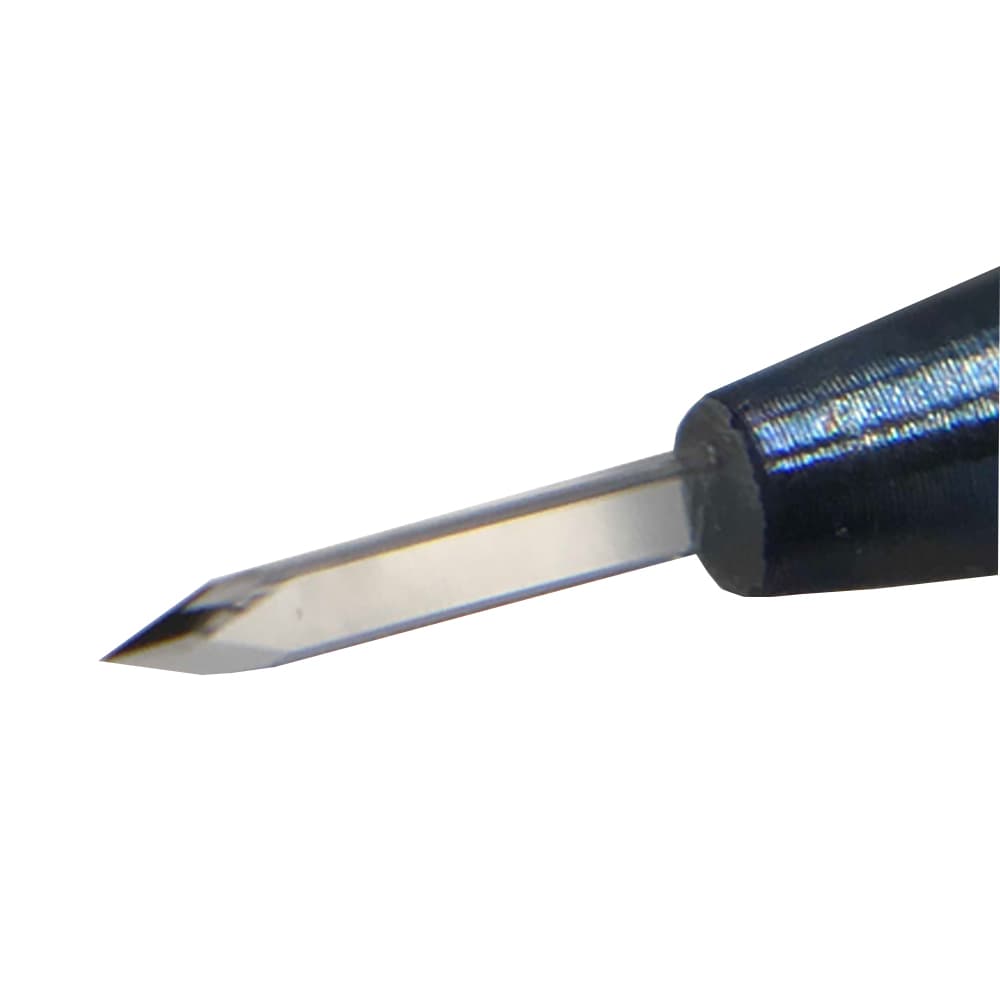
A reusable FUE punch is only as good as the care it receives between cases. A sharp edge that survives hundreds of grafts can be ruined in a single careless cleaning cycle. This guide walks clinics through the maintenance habits that protect both patient safety and the cutting edge of every hair punch in your kit.
Why maintenance protects your investment
Reusable titanium and steel punches are a recurring cost only if they wear out faster than they should. Dulling, corrosion and bent tips are usually the result of process problems, not metal fatigue. When you treat each punch as a precision instrument, you stretch its working life across far more cases and lower your true cost per graft.
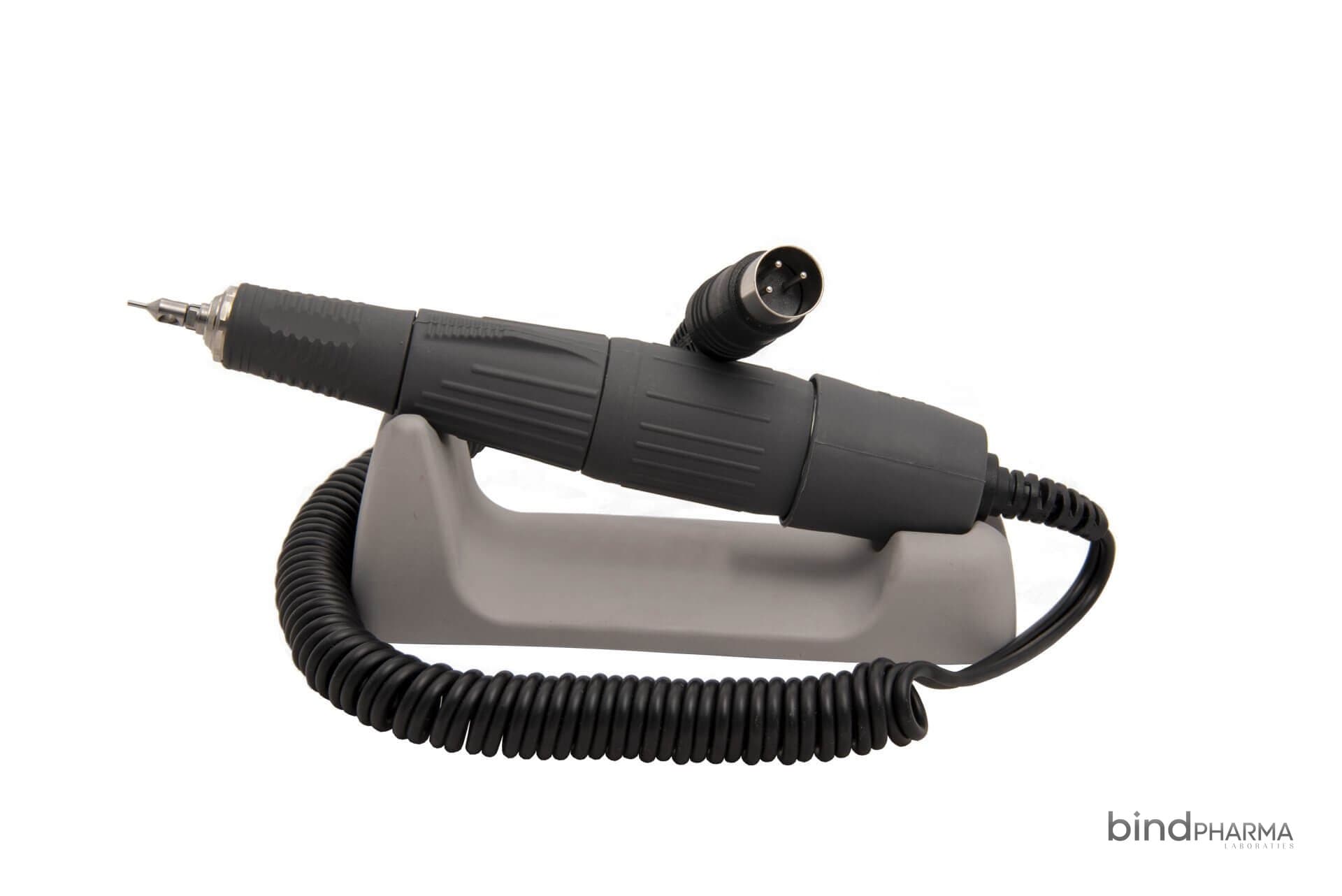
The two enemies of a long-lived punch are mechanical damage to the edge and chemical damage to the surface. Almost every maintenance rule below exists to prevent one or the other.
Cleaning immediately after the case
The most important cleaning step happens within minutes of the last extraction. Dried blood, tissue and keratin are far harder to remove once they set, and aggressive scrubbing later is exactly what damages fine edges.
- Rinse the punch under cool running water immediately. Hot water can coagulate protein onto the surface.
- Soak in an enzymatic cleaning solution formulated for surgical instruments to break down organic residue.
- Use ultrasonic cleaning where available, as it removes debris from the inner bore without abrasive contact.
- Never use steel wool, abrasive pads or stiff metal brushes near the cutting tip.
The inner lumen of a hair punch is the hardest area to clean and the easiest to ignore. Trapped tissue inside the bore can compromise the next case and accelerate corrosion. A soft lumen brush sized to the internal diameter is worth keeping on hand.
Inspection before sterilization
Inspect every punch under magnification before it goes into the autoclave. You are looking for three things: a clean, unbroken edge, a straight shaft with no bend, and no pitting or discoloration that hints at corrosion. A loupe or a simple bench microscope makes microscopic edge rolling visible long before it shows up as transection in surgery.
Set aside any punch that fails inspection. Sterilizing a damaged instrument simply guarantees you will reach for it mid-case and regret it.
Sterilization done correctly
Steam autoclaving is the standard for reusable FUE punches, but the details matter.
- Follow the manufacturer's recommended cycle temperature and time. Over-cycling adds thermal stress without adding safety.
- Use distilled or demineralized water in the autoclave. Tap water minerals cause spotting and pitting over time.
- Allow instruments to dry fully before storage. Residual moisture is the single biggest driver of corrosion.
- Store punches in a protective tray or pouch so tips never contact other metal instruments.
Disposable, single-use punches are a different category entirely. They arrive gamma-sterilized in sealed pouches and should never be reprocessed. Reusing a disposable punch defeats its purpose and is not validated for sterility.
Recognizing the end of useful life
Even a well-maintained punch eventually needs retirement. The clearest signal is performance: rising transection rates, a punch that requires more downward force than it used to, or audible or tactile "grabbing" as it cuts. Visually, look for a rolled or chipped edge, visible pitting, or any deviation from a straight shaft.
Rather than waiting for failure mid-case, many high-volume clinics rotate punches on a tracked schedule and log approximate graft counts per instrument. This turns lifespan from a guess into a planned, budgetable line item.
Build a written protocol
The clinics that get the most life out of their instruments are the ones that do not rely on memory. A one-page protocol covering rinse, enzymatic soak, ultrasonic cleaning, inspection, autoclave cycle and storage keeps every technician aligned. Pair it with a simple log so you can see which punches are nearing retirement before they let you down.
Our punches are built for long-term use and are among the sharpest on the market, which gives a well-run maintenance program even more headroom. As a manufacturer-direct supplier, we are happy to share recommended cycle parameters for any product we ship.
Want to test our durability for yourself? Request a free sample or a wholesale quote and put our FUE punches through your own maintenance routine.