Few decisions shape a hair transplant clinic's identity as much as the technique it standardises on. The DHI implanter pen vs FUE debate is less about which method is superior and more about which workflow, instrument set and team skill profile fits your practice. This comparison focuses on what actually differs at the bench: how grafts are handled, how recipient sites are created, and how each approach changes the instruments you need to keep in stock.
The core distinction
Both DHI and classic FUE begin the same way. Follicular units are extracted from the donor area one at a time, typically with a motorised or manual punch. The techniques diverge only at implantation.
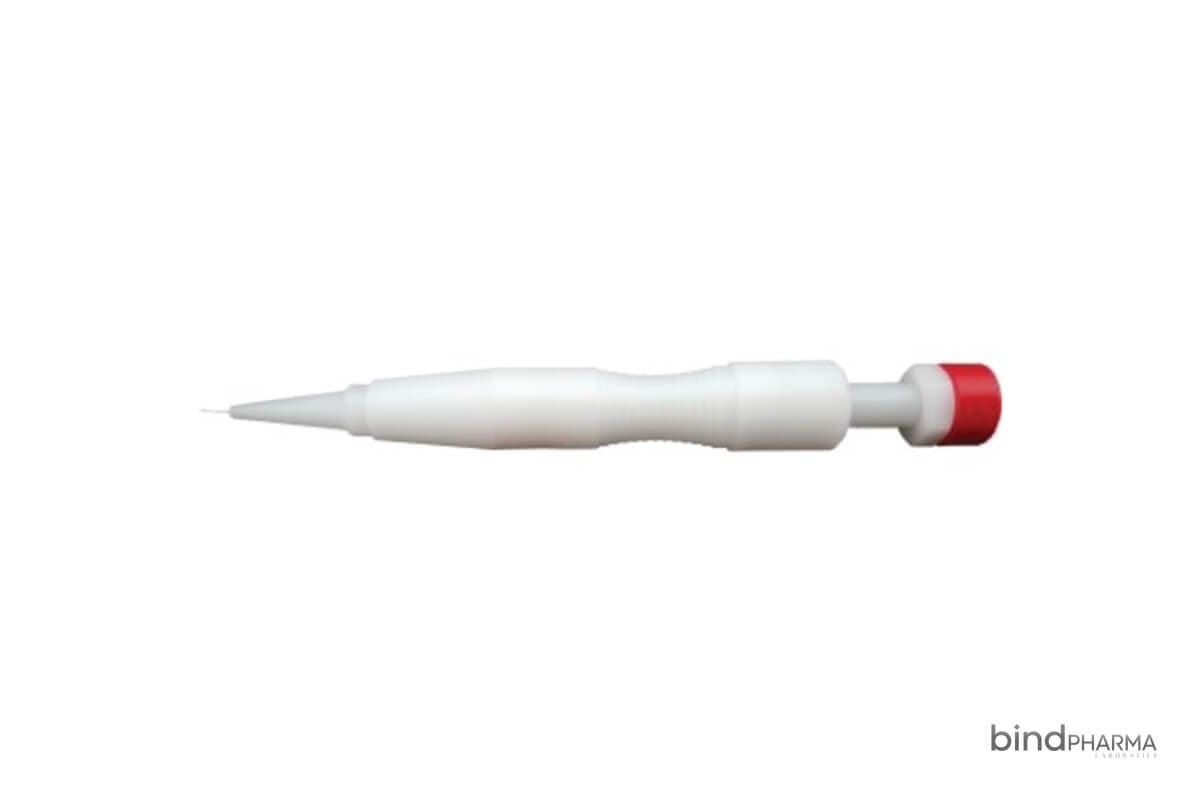
In classic FUE, the surgeon first opens recipient sites with a blade or needle, then places grafts into those pre-made channels using forceps. In DHI, a loaded implanter pen creates the incision and delivers the graft in a single motion. The pen does two jobs at once, which is where most of the practical differences originate.
Graft handling and time out of body
The strongest clinical argument for DHI is reduced graft manipulation. Because the follicle is loaded once into the pen and deposited directly, it is touched fewer times and spends less time exposed. Every extra handling step is an opportunity for mechanical trauma or desiccation, so minimising touches is a reasonable goal for graft survival.
Classic FUE separates channel creation from placement, which means grafts wait in holding solution while sites are opened, then pass through forceps into each channel. Experienced teams keep this efficient, but the graft is handled more than in a well-run DHI workflow.
Control over angle, depth and density
Classic FUE gives the surgeon independent control of the recipient site. Sapphire or steel blades let you set incision size, angle and depth precisely before any graft is placed, which many surgeons prefer for designing a natural hairline and controlling density zone by zone.
DHI concentrates angle and depth control in the hand holding the pen. In skilled hands this is highly precise, and the direct approach can excel in dense packing and in specific areas like the crown or a refined frontal line. The trade-off is a steeper learning curve, because the operator manages incision and placement simultaneously rather than as two deliberate steps.
Instrument and consumable implications
The two techniques imply different purchasing patterns, and this matters for procurement planning.
- A DHI-focused clinic invests in a range of implanter pens and a steady supply of matched implanter needles in several diameters.
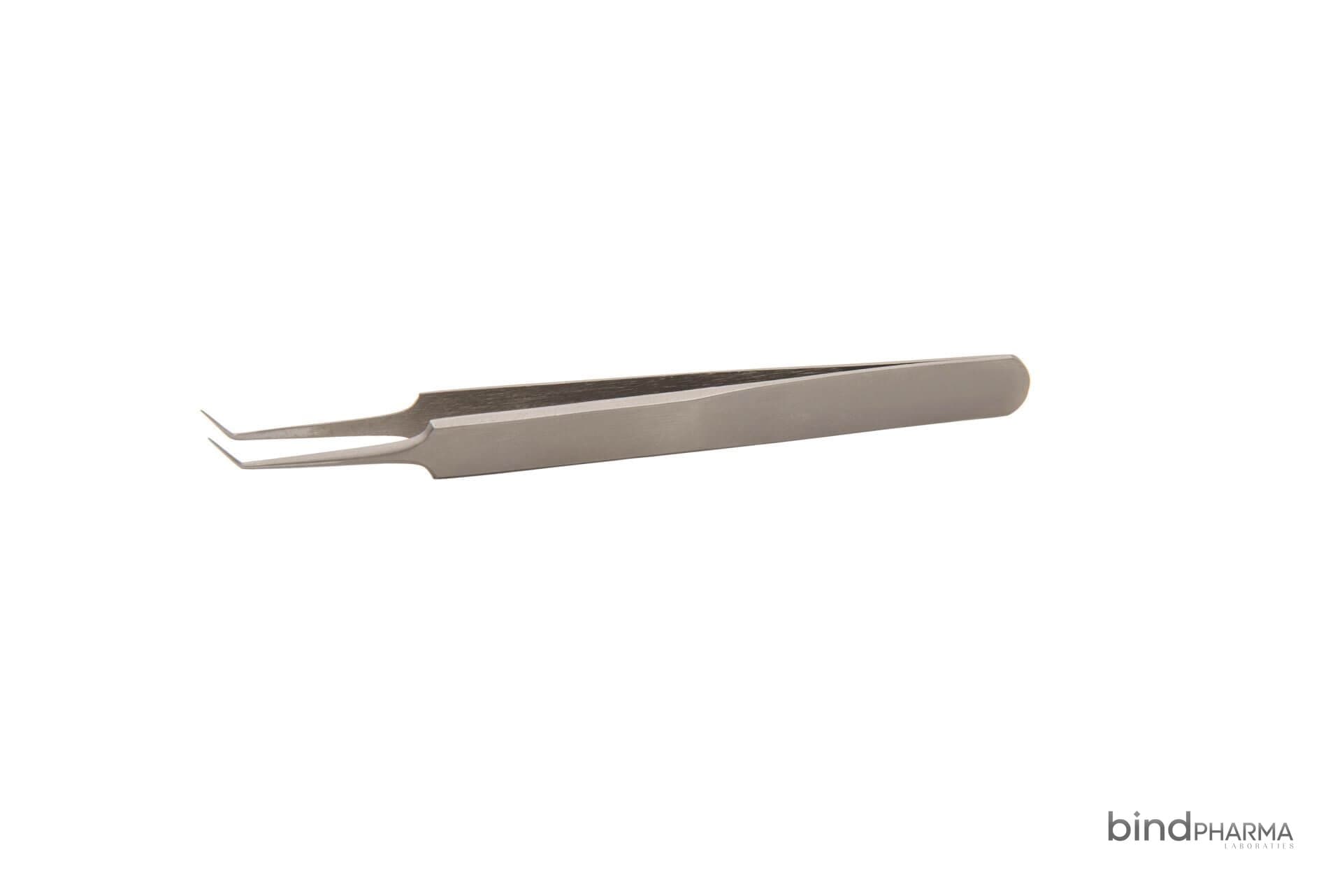
- An FUE-focused clinic invests in blade handles, sapphire or steel blades, and both extracting and transplanting forceps.
- Both need reliable extraction punches, whether motorised handpiece tips or manual holders.
Needle and blade sizing is central to either approach. DHI pens are typically matched to graft calibre through needle inner diameter, while FUE blade width is chosen to fit the follicular unit without leaving an oversized channel. Standardising these consumables with one supplier simplifies reordering and keeps sizing consistent across cases.
Speed, team structure and throughput
Workflow economics differ too. DHI can be slower per graft in less experienced hands but reduces the coordination between the surgeon and technicians because placement is more centralised. Classic FUE parallelises well: one operator can open sites while technicians place grafts, which suits high-volume clinics with trained teams.
Neither is universally faster. Throughput depends far more on team maturity, case size and how well your instrument supply keeps pace than on the technique label itself.
Which should your clinic choose?
For most practices the honest answer is both, deployed by case. Many clinics offer DHI for smaller, high-density work and refined hairlines while relying on classic FUE for large sessions where parallel workflow shortens the day. What matters is that whichever technique you run, the instruments behind it are consistent, sharp and available when you need them.
- Choose DHI-forward if you prioritise minimal graft handling and have the training time to master the pen.
- Choose FUE-forward if you value independent recipient-site design and efficient team-based throughput.
- Keep both capabilities if your case mix is varied and you want to match technique to patient.
The supply side of the decision
Whatever balance you strike, technique consistency depends on instrument consistency. Implanter pens that vary in feel, needles that drift in inner diameter, or blades that dull early will undermine any protocol. This is where sourcing decisions become clinical decisions.
As a supplier to clinics and distributors, Hair Restoration Supplies stocks the full instrument set behind both techniques, from DHI implanter pens and matched needles to sapphire blades and precision forceps, so your team can standardise without compromise. Request our catalogue or arrange a consultation to align your instrument mix with the techniques your surgeons run.