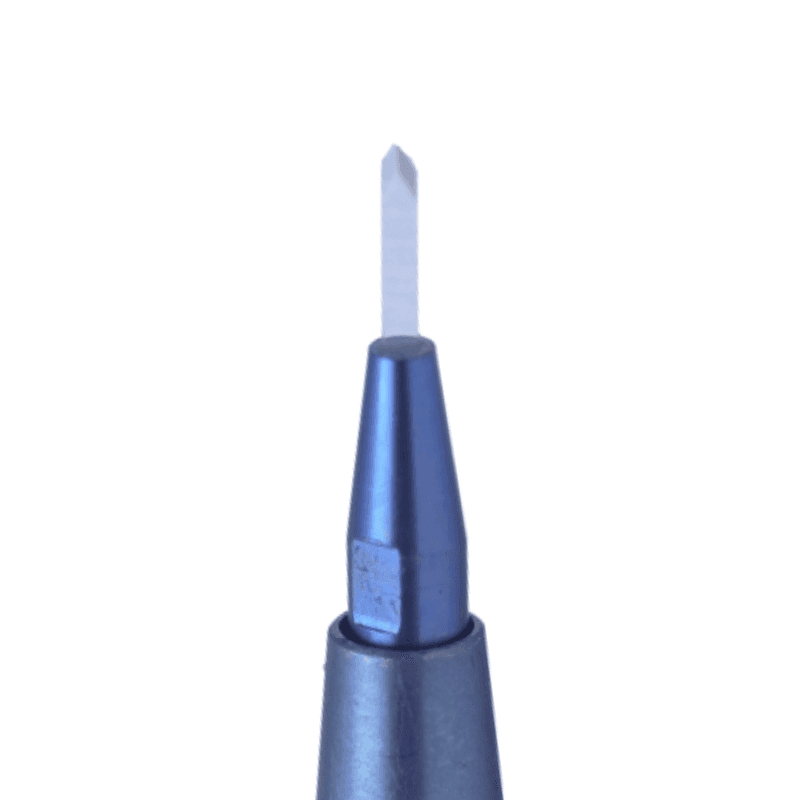
Every experienced FUE surgeon knows that the punch is the single most important instrument in the procedure. A graft that is cut cleanly survives; a graft that is crushed, twisted or transected may not. When clinics ask how to identify the best FUE punch, the honest answer is that "best" is measurable — it comes down to sharpness, transection rate and how long an edge holds across a long surgical day.
This guide breaks down the criteria professional buyers should use, and explains why a free-sample trial is the only reliable way to confirm a supplier's claims before committing to a wholesale order.
What "sharpest" really means in FUE
Marketing language describes almost every punch as "ultra sharp." In practice, sharpness is a function of three things: the geometry of the cutting edge, the consistency of the grind, and the smoothness of the inner and outer bevels. A truly sharp punch enters the skin with minimal downward force, which protects the follicular unit from compression and reduces the surgeon's hand fatigue over hundreds of extractions.
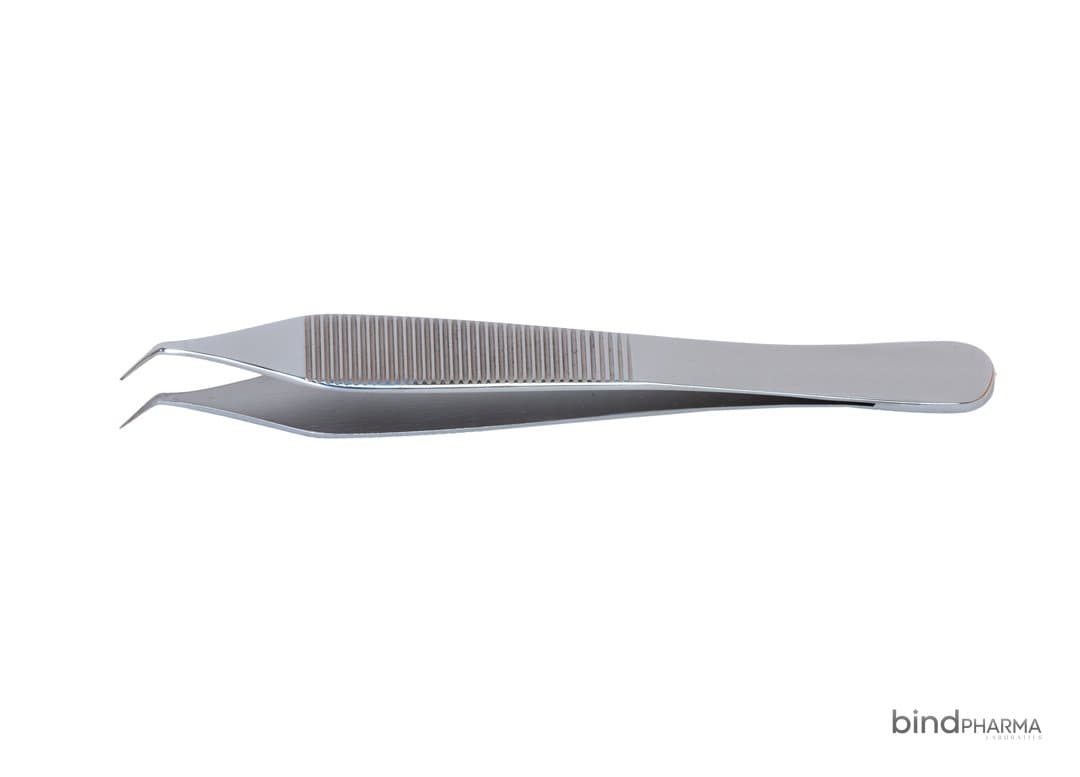
When you evaluate a punch, pay attention to the first contact with the skin. A sharp edge scores cleanly at low pressure. A dull or poorly finished edge requires you to push, and that extra force is exactly what damages grafts.
Transection rate is the score that matters
Transection — accidental cutting or amputation of the follicle below the skin — is the clearest, most objective measure of punch quality. A clinic running standardized cases can track transection rate as a percentage and compare punches head to head.
Lower transection means:
- Higher graft survival and better density in the recipient area
- Fewer grafts wasted per session, improving yield per donor
- Shorter procedures because the surgeon trusts each pass
When trialing a new punch, dedicate a controlled block of extractions to it and count transected grafts against your current standard. The best FUE punch for your clinic is the one that lowers your transection rate on your patients, with your technique.
Edge retention across a full surgical day
Sharpness on the first graft is easy. Sharpness on graft number two thousand is the real test. Edge retention — how well a punch holds its cutting performance over a long session — separates premium instruments from disposable commodity stock.
For reusable lines, ask about the material and the expected number of sessions before performance degrades. A market-leading edge that dulls after a single case is not an economy; a long-term-use guarantee on reusable punches signals that the manufacturer has confidence in their edge retention.
For single-use punches, edge retention within a single case still matters: a punch that softens halfway through a session will quietly raise your transection rate without anyone noticing until graft counts come up short.
Diameter, geometry and skin compatibility
The sharpest punch in the world is wrong if the diameter does not suit your patients. Smaller diameters (around 0.8 to 0.9 mm) protect surrounding follicles and leave smaller wounds but demand a flawless edge to avoid transection. Larger diameters are more forgiving but increase scarring and donor depletion.
Sharp (smooth-edged) punches excel on softer, more elastic skin and in the hands of surgeons who score and rotate gently. Serrated or hybrid geometries can help on tough, fibrous or scarred tissue where a smooth edge skids. The best clinics keep a small range and match the tool to the patient — which is another reason sampling several options is worth the effort.
How to actually test a punch before you buy
Claims on a spec sheet are not evidence. A structured trial is. We recommend buyers run the following before placing a bulk order:
- Request free samples across the diameters and geometries you use most
- Test on live cases against your current punch, holding technique constant
- Record transection rate, insertion force and surgeon feedback
- For reusable lines, run multiple sessions to observe edge retention
- Confirm batch-to-batch consistency by sampling more than one lot
A supplier confident in unmatched sharpness will happily provide free samples for exactly this kind of evaluation. Reluctance to let you trial the product is itself a useful signal.
Why manufacturer-direct sourcing protects edge quality
The sharpest punches come from manufacturers who control their own grinding and finishing process rather than rebranding generic stock. Buying manufacturer-direct from Bind Pharma in Türkiye means the edge geometry is engineered in-house, quality control happens at the source, and feedback from your clinic can shape future production. It also removes the trader markup, so you pay for the edge, not the middleman.
With over 100 clinics in Türkiye, 90-plus international clinics and a 99% customer satisfaction record, the pattern is consistent: clinics that switch on the basis of a measured trial tend to stay, because the numbers on their own cases improve.
Make the decision on evidence, not adjectives
The best FUE punch is not the one with the loudest marketing — it is the one that lowers your transection rate, holds its edge through a full day, and fits your patients and technique. The only way to know is to test it on your cases.
If you are evaluating punches this quarter, request a free sample set and run a side-by-side trial against your current instrument. When the numbers convince you, ask for a wholesale quote and lock in manufacturer-direct pricing.