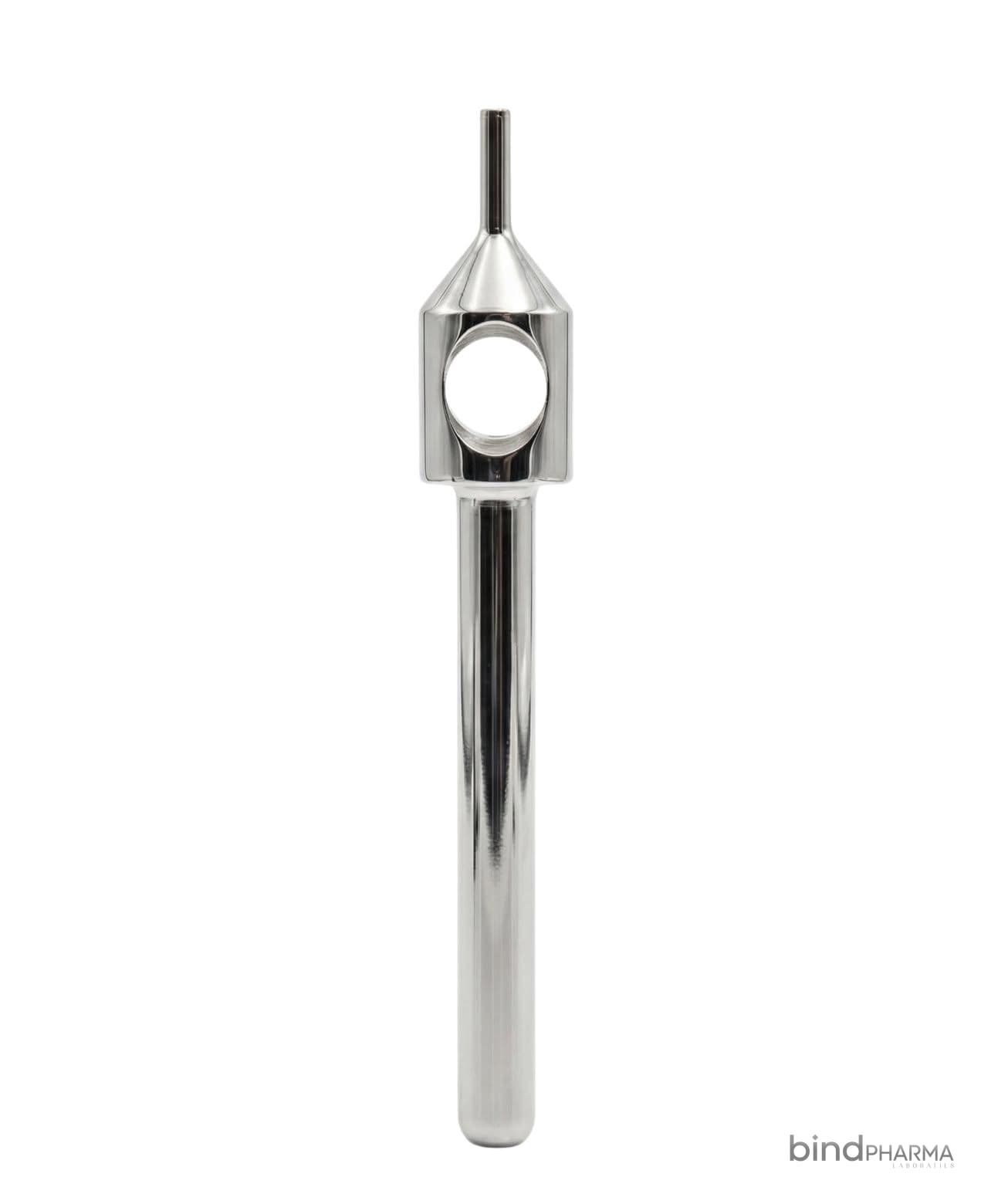
The global demand for hair transplant procedures continues to grow, and with it the demand for consumables — above all, FUE punches. For entrepreneurs and medical-device resellers, becoming a FUE punch distributor is a way to build a recurring-revenue business around a product clinics need in constant supply. This guide explains how distribution works, what margins and terms to expect, and how to start.
Why FUE punches are a strong distribution product
Punches are a consumable, not a one-time capital purchase. A clinic running regular cases reorders continually, which means a distributor's revenue compounds as the account base grows. The product is small, light and easy to ship, regulatory pathways for surgical instruments are well established in most markets, and a clinic that trusts your edge quality rarely switches suppliers casually. Recurring demand plus high switching costs is exactly the profile distributors look for.
Protected territory: your most valuable term
The single most important term in any distribution agreement is territory. A protected or exclusive territory means the manufacturer will not appoint a competing distributor — or sell direct — within your defined region. That protection lets you invest in building clinic relationships without fear that your own supplier will undercut you next quarter.
When negotiating territory, clarify:
- The exact geographic boundaries of your exclusivity
- Whether exclusivity is conditional on hitting volume targets
- How online and cross-border sales into your territory are handled
- The renewal terms and what happens if targets are missed
A manufacturer that already works with a small, deliberately limited set of distributors worldwide — rather than signing anyone who asks — is more likely to genuinely protect the territory it grants you.
Private label: build your own brand
Many distributors choose to private-label, putting their own brand on a proven manufacturer's edge. This builds equity in your business rather than the supplier's, and it deepens the switching cost for your clinic accounts.
Private-label arrangements typically cover branded packaging and labeling, your logo and identity on the product line, and sometimes custom configurations of diameter or geometry. The underlying instrument — the part that actually matters in surgery — remains the manufacturer's market-leading edge, so you are branding quality you can stand behind.
Understanding margins and the pricing ladder
Distributor margins come from the gap between your wholesale cost and the price clinics pay. That gap widens as your committed volume grows, because manufacturers reward scale with lower per-unit pricing.
To model your margin realistically, work through:
- The wholesale pricing tiers and where the volume breakpoints sit
- Your landed cost, including shipping, duties and any regulatory fees
- The prevailing price clinics in your territory pay today
- Your cost to serve — sales effort, samples, support and logistics
The healthiest distributor businesses do not compete purely on price. They win on reliability, fast replenishment, local support and trust in the edge — which lets them hold margin instead of racing competitors to the bottom.
Volume commitments and how to plan them
Exclusive territory usually comes with a volume commitment. Rather than seeing this as a burden, treat it as a planning anchor. Estimate the number of active clinics in your territory, their typical case volume and punch consumption per case, and you can build a defensible forecast.
Start with a commitment you can comfortably meet, then grow the territory and the tier as your account base expands. A reasonable manufacturer would rather set an achievable target you exceed than an aggressive one you miss.
The role of free samples in your sales process
Samples are a distributor's most powerful sales tool. Clinics are conservative about the instrument that decides graft survival, and rightly so. The fastest way to win an account is to put a free sample in the surgeon's hand and let the edge prove itself on a real case.
Build sampling into your sales motion from day one. A manufacturer that supports distributors with free samples — and stands behind a 99% customer satisfaction record and a long-term-use guarantee on reusable lines — gives you a credible, low-risk offer to lead with.
Why manufacturer-direct distribution wins
Distributing for a genuine manufacturer rather than reselling for another trader changes the economics. You get better wholesale pricing because there is no intermediate margin, consistent edge quality because the maker owns quality control, faster resolution when an account has a question, and the option to influence the product roadmap. Partnering directly with Bind Pharma in Türkiye means your business is built on a controlled, accountable production line rather than an anonymous supply chain.
How to apply and get started
Starting as a distributor is more straightforward than many expect. The typical path:
- Reach out and describe your target territory and the clinics you can reach
- Request free samples to validate the edge yourself and to begin sampling clinics
- Discuss territory, volume commitment, pricing tiers and private-label options
- Agree terms and place an initial order sized to your realistic forecast
- Build your account base, hit your tier, and expand territory over time
If you are ready to build a recurring-revenue business around a product clinics reorder continually, request a free sample set and ask for a distributor wholesale quote. Manufacturer-direct terms, protected territory and private-label options are all on the table for serious partners.