Material choice is one of the quieter decisions in outfitting a hair transplant clinic, yet it influences comfort, durability and cost across thousands of cases. The titanium vs stainless steel surgical instruments question comes up whenever a clinic upgrades its punches, forceps, blade handles or needle holders. Both materials are proven and neither is a mistake, but they behave differently in the hand and over their service life. This guide explains where each excels so you can specify the right material for each instrument.
The two materials at a glance
Stainless steel is the traditional workhorse of surgical instrumentation. Medical-grade stainless alloys are hard, take a keen edge and are economical to produce, which is why they remain the default for many instruments. Titanium is lighter, exceptionally corrosion resistant and non-magnetic, with a different balance of properties that suits specific roles.
Neither is universally better. The right question is which properties matter most for a given instrument and a given clinic's workflow.
Weight and surgeon fatigue
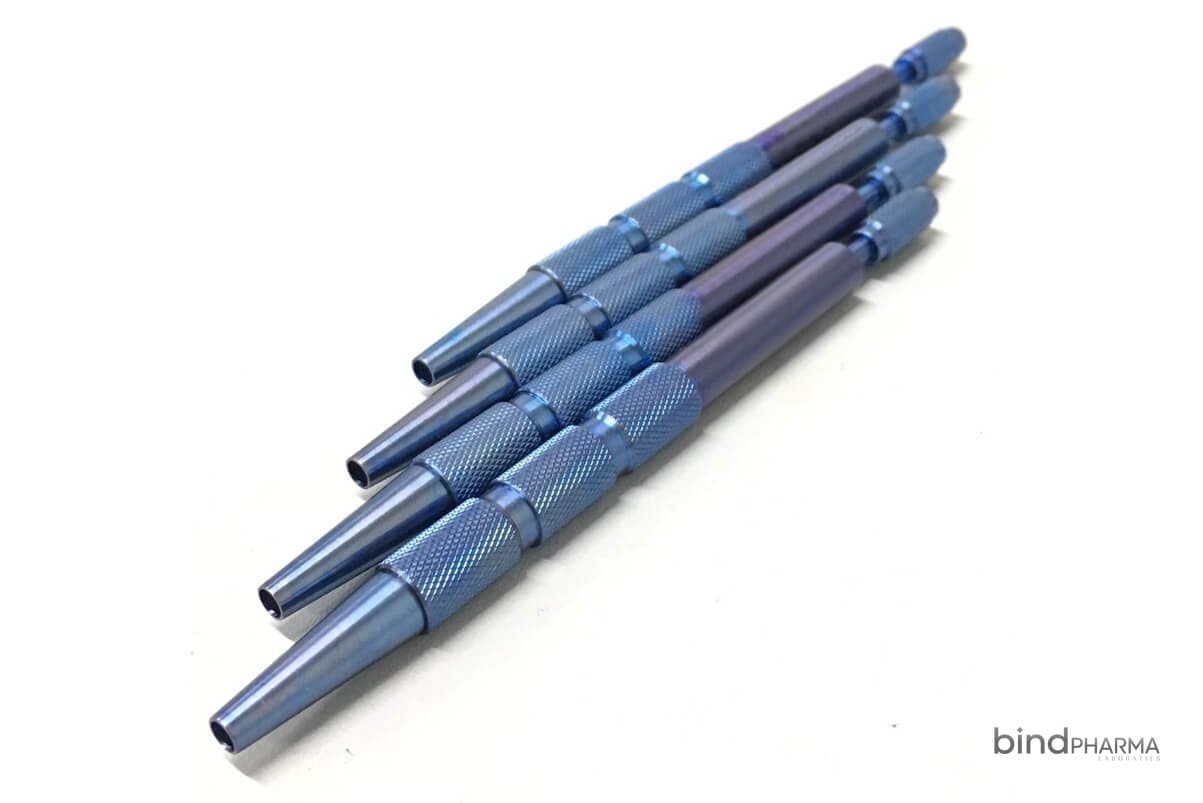
The most immediately noticeable difference is weight. Titanium is substantially lighter than stainless steel of the same size, and over a long session that reduction matters. For instruments the surgeon holds continuously, such as blade handles and implanter pens, lower weight can reduce hand fatigue and help maintain steady control late in a case.
For instruments used in short bursts, weight is less decisive. A needle holder used intermittently during donor closure does not tax the hand the way a blade handle held for hundreds of incisions does.
Corrosion resistance and reprocessing
Instruments live in a punishing cycle of blood exposure, cleaning chemistry and repeated autoclaving. Corrosion resistance directly affects how many of those cycles an instrument survives looking and performing like new.
Titanium is highly resistant to corrosion and pitting, which makes it attractive for instruments that see heavy reprocessing. Quality stainless steel also resists corrosion well when maintained correctly, but it is less forgiving of poor drying, harsh chemistry or hard water in the autoclave. In clinics where reprocessing discipline is variable, titanium's tolerance can extend service life.
- Titanium tolerates aggressive reprocessing with minimal surface change.
- Stainless steel performs well but rewards careful drying and demineralised water.
- Both benefit from immediate cleaning and inspection between cases.
Edge retention and sharpness
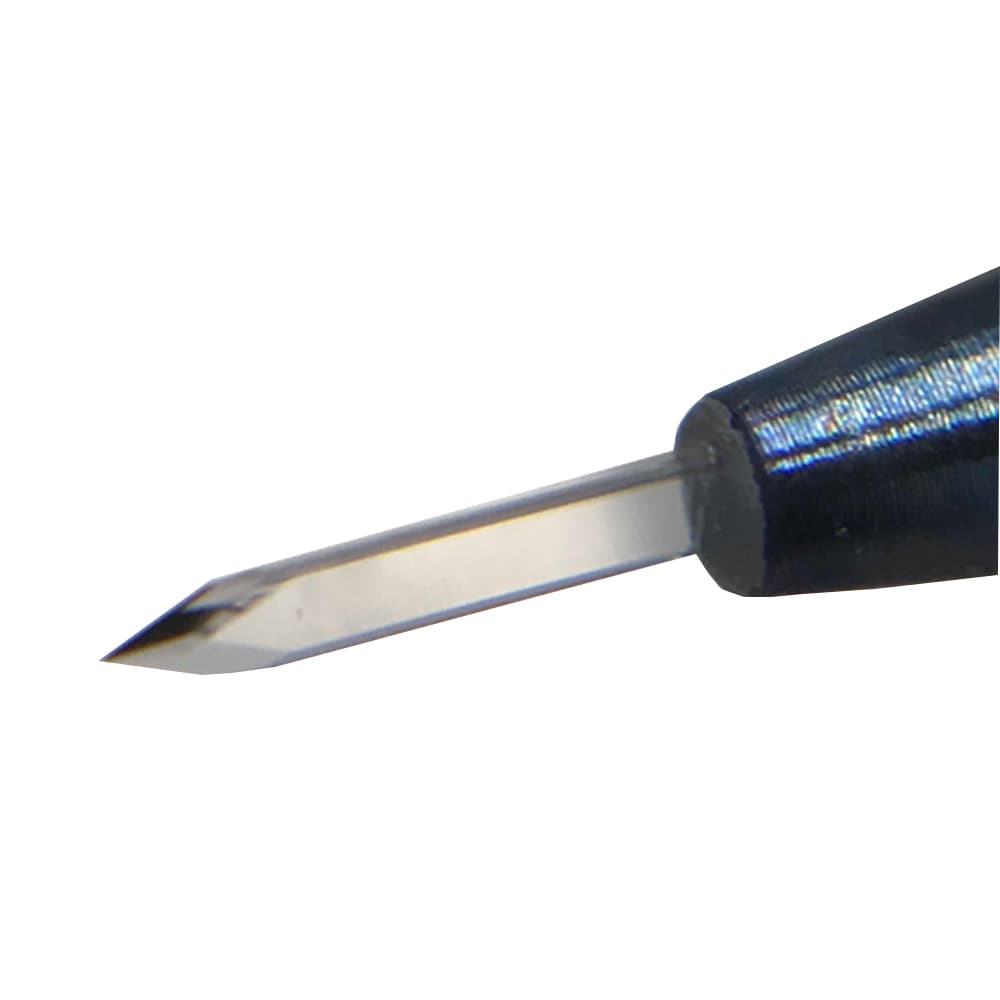
For cutting instruments, edge behaviour is where the discussion gets nuanced. Hardened stainless steel can be ground to a very keen edge and holds it well, which is why steel punches and blades remain popular. Titanium alloys are excellent structurally but are often paired with other materials for the actual cutting surface; for example, a titanium handle carrying a sapphire or steel blade combines light weight with a hard cutting edge.
This is why material is best chosen per component. A titanium handle with a sapphire blade gives you lightness where you grip and hardness where you cut, taking the strength of each material.
Cost and long-term value
Stainless steel generally carries a lower upfront cost, while titanium commands a premium reflecting its properties and machining. The right way to weigh this is total value over service life, not sticker price.
- A stainless instrument that is inexpensive but reprocessed carelessly may need earlier replacement.
- A titanium instrument that costs more but survives more cycles can lower cost per case.
- Cutting edges, whatever the handle, are consumable and should be budgeted as recurring.
Framing the decision as cost per case rather than cost per unit prevents false economy. An instrument that lasts longer and performs consistently protects both your budget and your outcomes.
Non-magnetic and biocompatibility considerations
Titanium is non-magnetic and highly biocompatible, properties valued in surgical settings generally. For hair restoration these are rarely decisive on their own, but they contribute to titanium's reputation as a premium material and can matter to clinics standardising a high-end instrument set.
Specifying material by instrument
A sensible clinic does not choose one material for everything. Instead, it specifies by role:
- Blade handles and implanter pens: titanium for lightness during prolonged holding.
- Cutting edges: sapphire or hardened steel for keen, durable sharpness.
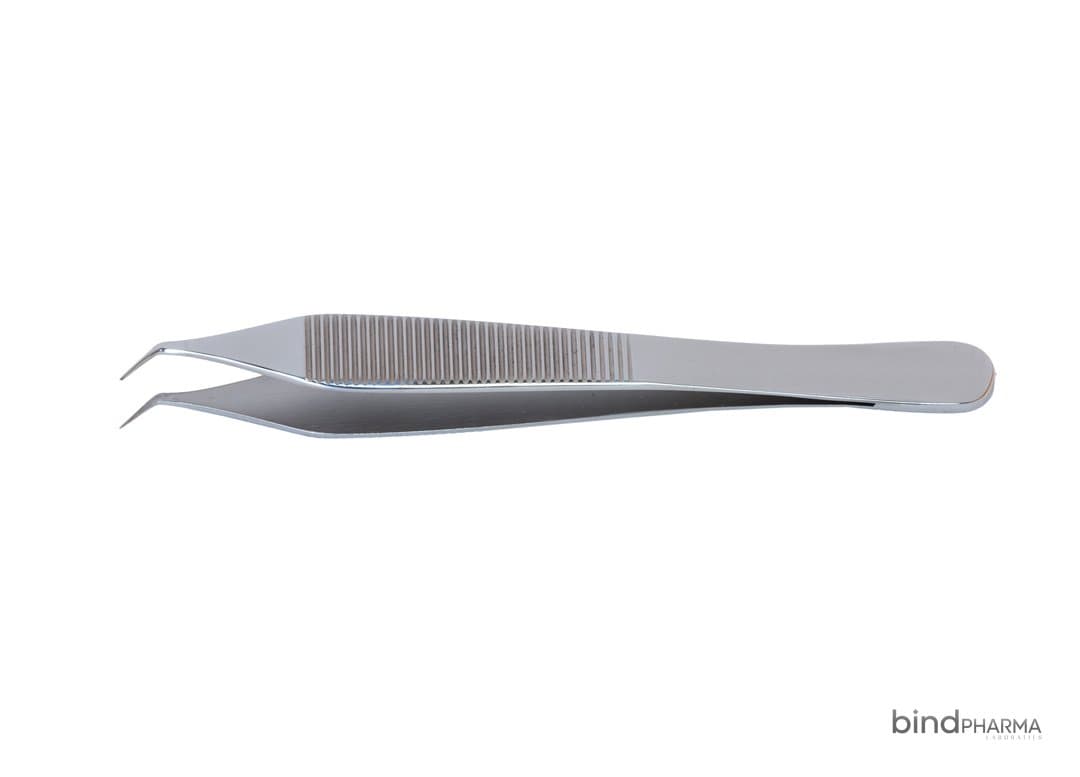
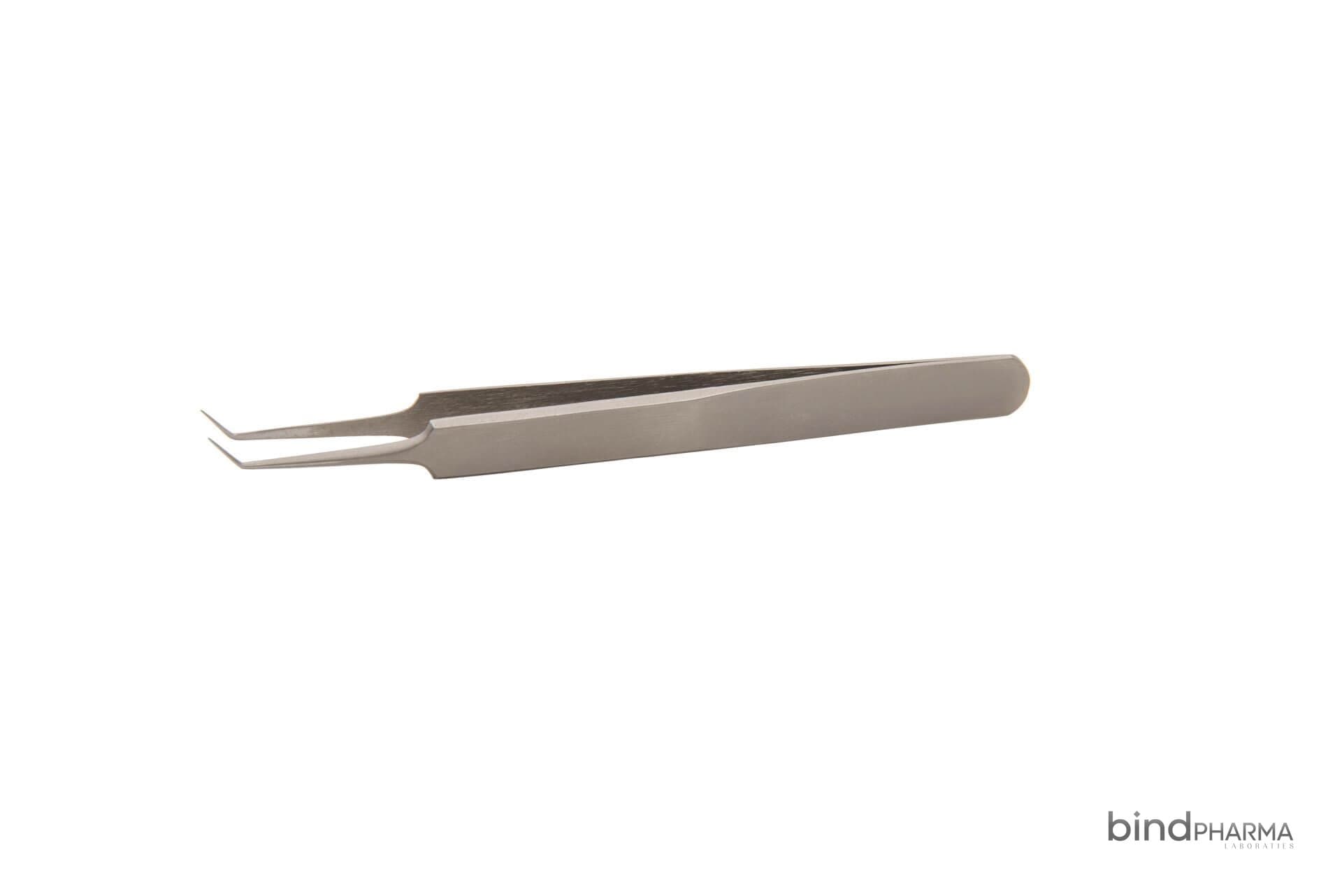
- Forceps and needle holders: quality stainless for strength and economy, titanium where weight or corrosion resistance justify the premium.
- Extraction punches: hardened steel for edge retention, with the material matched to your reprocessing habits.
Getting the material mix right
The best instrument set blends materials to suit each task rather than dogmatically favouring one. Getting that mix right is easier with a supplier who can offer both and advise on where each earns its place.
Hair Restoration Supplies stocks titanium and stainless instruments across the hair restoration range, from lightweight blade handles to hardened steel punches, so clinics can specify by role rather than by habit. Request our catalogue or a consultation to build a material mix that balances comfort, durability and long-term value for your practice.