A hair transplant clinic instrument budget has three distinct parts: durable capital instruments bought once and reprocessed for years, consumable items replaced per case or per batch, and a replacement reserve for wear, loss and damage. New clinics almost always budget carefully for the first category, underestimate the second, and forget the third entirely. Getting all three right before opening is what keeps the first year predictable.
This guide sets out a structured way to build that budget, including how to decide opening quantities, how to think about replacement cycles, and where new clinics most often get their numbers wrong.
Start by separating capital from consumable
The most useful thing a new clinic can do is stop thinking about instruments as one line item. Durable instruments and consumables behave completely differently on a budget.
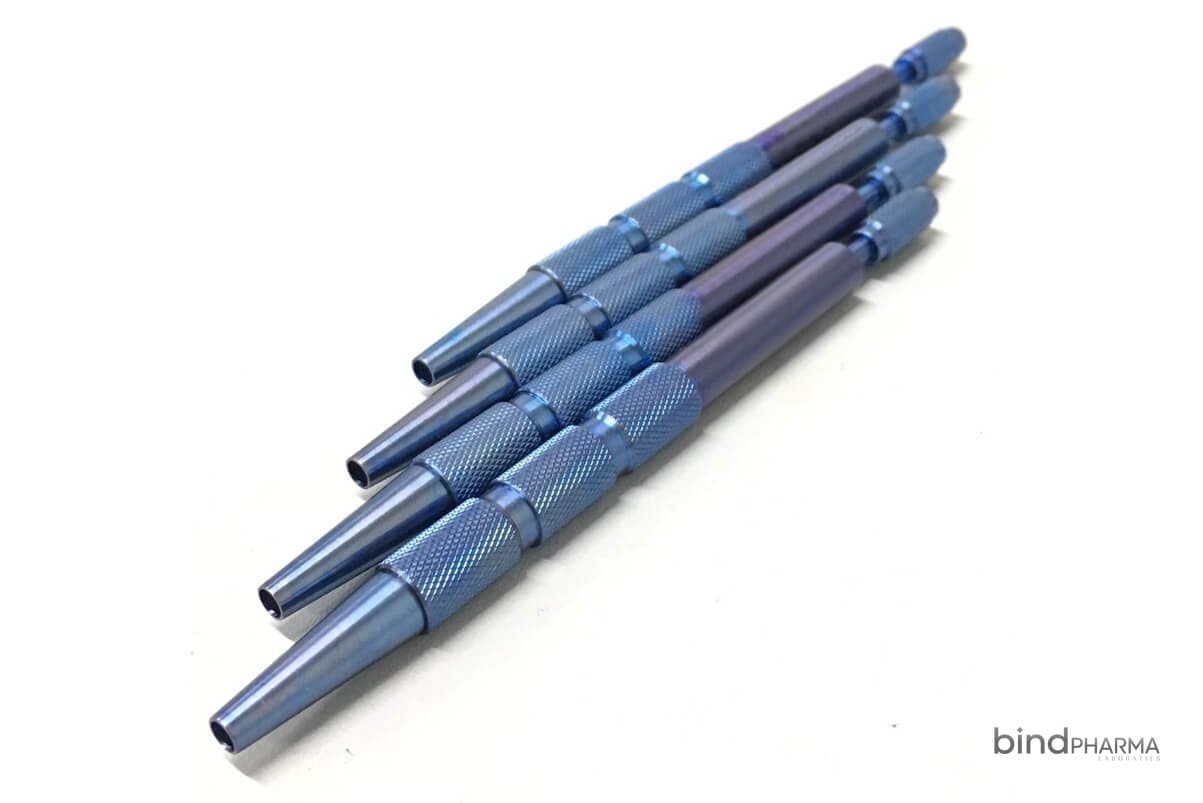
Capital instruments are purchased once, reprocessed repeatedly and depreciate over years. They include micromotor control units and handpieces, punch holders and handles, blade handles and holders, forceps, needle holders, scissors and instrument trays.
Consumables are consumed by the caseload. They include disposable punches, sapphire and steel blades, implanter pen needles or cartridges depending on your system, sutures, and single-use accessories.
The distinction matters because capital cost is a one-time hurdle you can plan for exactly, while consumable cost is a rate that scales with cases and must be modelled per procedure. Confusing the two is how clinics end up with a healthy opening balance and an unpleasant surprise in month four.
Build the capital list from your protocol
Your protocol determines your capital list, so define technique before quantities. A clinic running motorised FUE with sapphire recipient sites and forceps placement needs a different set from one running manual punch extraction with DHI implanter placement.
A typical capital list for a single treatment room includes:
- One or two micromotor control units with handpieces, plus a spare handpiece.
- Manual punch holders for surgeons who alternate between motorised and manual extraction.
- Sapphire blade handles and blade holders in the sizes your surgeons prefer.
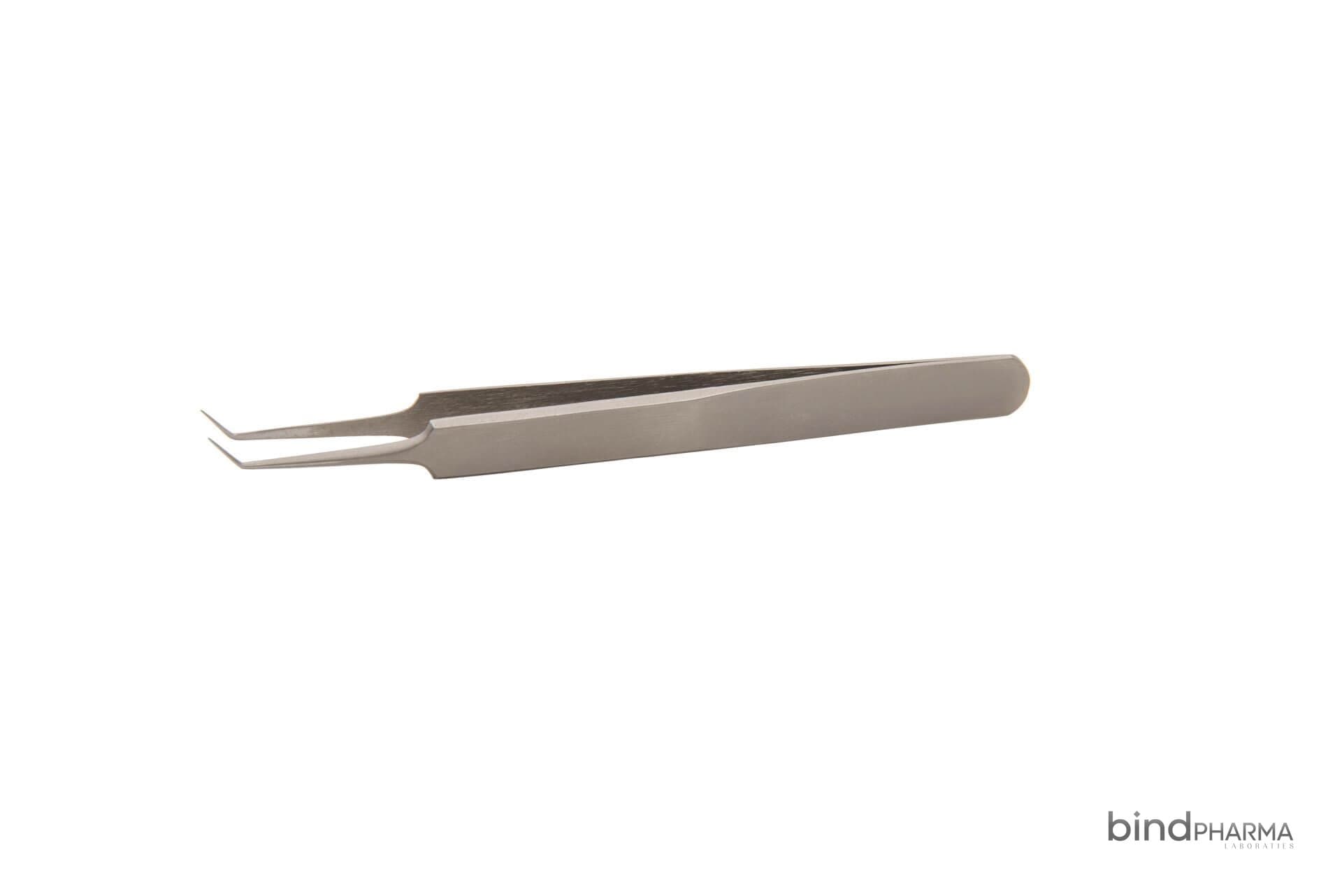
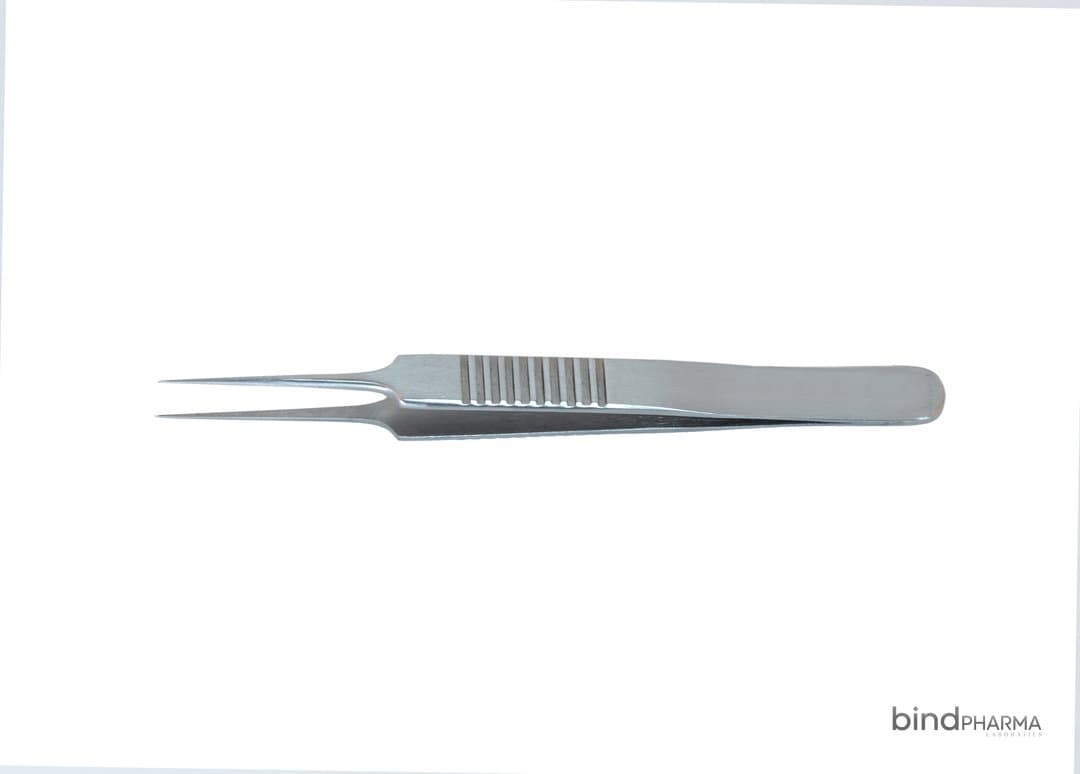
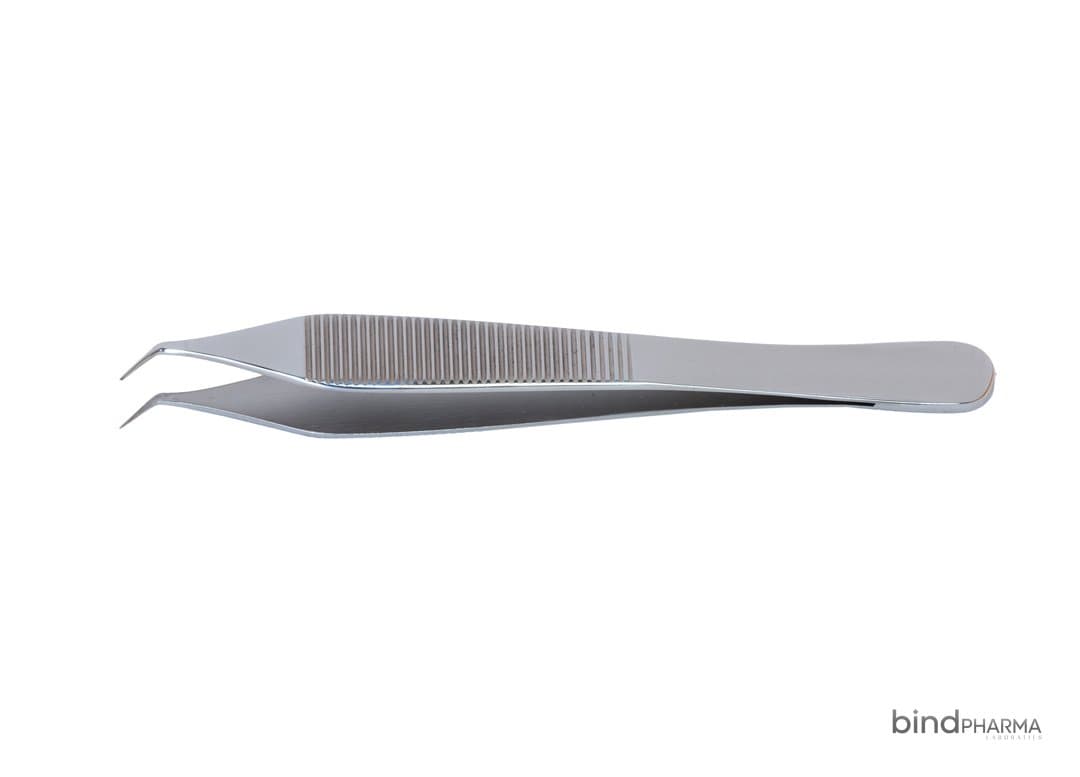
- Extracting forceps and transplanting forceps in sufficient number for all technicians working simultaneously.
- Straight forceps for general handling and dressing.
- Needle holders for donor closure if you perform strip or closure work.
- Scissors, towel clamps and general instruments for the base tray.
- Instrument trays, cassettes and storage for reprocessing.
The critical decision is not which items to buy but how many of each. That is a function of simultaneous operators and turnaround time, which we cover below.
Size opening quantities around simultaneous use and turnaround
The right quantity of any reusable instrument is the number in use at peak, multiplied by the number of case turnarounds you need before reprocessing completes, plus a small buffer.
Work through it in three questions:
- How many are in the hands of the team at once? If three technicians place grafts simultaneously, you need at least three transplanting forceps in play.
- How many cases run between sterilisation cycles? If you run two cases a day and reprocessing takes half a day, you need two full sets in circulation.
- What happens if one is dropped or damaged mid-case? Add at least one spare of every instrument that would stop the case if it failed.
Applying this to forceps, a clinic with three placement technicians running two cases per day realistically needs two complete sets plus spares, not three individual instruments. Under-buying reusables is a false economy that turns into rushed reprocessing and premature wear.
Model consumables as a cost per case
Consumables should never be budgeted as a lump sum. Model them per case, then multiply by forecast volume.
For each consumable, establish:
- Units consumed in an average case, based on your protocol rather than a best-case assumption.
- Variation between small and large sessions, since a 4,000 graft case is not twice a 2,000 graft case in every category.
- Whether the item is changed mid-case as a matter of policy, such as swapping punches or blades to maintain sharpness.
- Packaging and minimum order quantities, which determine how you actually purchase.
Once you have a cost per case, consumables become a predictable variable cost you can build into pricing. This is also the number that makes instrument quality easy to evaluate commercially, because a sharper punch that lasts longer in a case changes the rate directly.
Where consumable budgets usually go wrong
- Assuming one punch per case when protocol and good practice call for changing it.
- Forgetting blade changes during long recipient site sessions.
- Underestimating implanter needle consumption in DHI-heavy practices.
- Ignoring the consumables used in training, testing and quality checks.
Plan replacement cycles for reusable instruments
Reusable does not mean permanent. Every reprocessed instrument has a working life determined by usage, handling and sterilisation cycles, and that life should appear in the budget as an annual replacement allowance rather than an emergency purchase.
Practical approach:
- Record the in-service date for each capital instrument or set.
- Track cycles or cases rather than calendar months where possible.
- Define retirement criteria such as tip misalignment, loss of grip, corrosion or blunting.
- Set an annual reserve as a percentage of the capital instrument value.
Instruments that are inspected and retired on schedule protect outcomes. Instruments that are used until they visibly fail cost far more in compromised cases than they ever saved.
Include the costs new clinics forget
Several categories reliably escape the first draft of an instrument budget.
- Sterile processing equipment and supplies. Ultrasonic cleaner, autoclave, enzymatic detergents, brushes, pouches, indicators and drying racks.
- Storage and organisation. Cassettes, trays, labelled storage and the shelving that keeps sets together.
- Backup and emergency stock. A defined buffer for the items that would cancel a case if they ran out.
- Freight, customs and duties on imported instruments, which vary substantially by country.
- Training stock. Instruments and consumables set aside for staff practice so training never competes with clinical supply.
- Evaluation samples. Budget for trialling instruments from more than one supplier before standardising.
Adding these categories rarely changes the order of magnitude of the budget, but omitting them reliably causes cash flow surprises in the opening quarter.
Decide what to standardise before you buy
Standardisation is a budget decision as much as a clinical one. Every additional variant of punch diameter, blade size or forceps type multiplies inventory, complicates reprocessing and slows training.
Before purchasing, agree:
- The core punch diameters your surgeons will actually use, and which are genuinely occasional.
- One primary blade system rather than several partially adopted ones.
- A standard forceps model per role, with variants only where a surgeon has a documented preference.
- One implanter needle sizing convention across the clinic.
Standardising early gives you better purchasing leverage, simpler stock control and faster onboarding. You can always add specialised items later; unwinding fragmentation is much harder.
Phase purchasing sensibly
A new clinic does not need to buy its year-two inventory on opening day, but it must not open under-equipped either. A workable phasing approach is to buy the full capital set and spares before opening, buy an opening consumable stock covering roughly the first two months of forecast volume, and then move to a replenishment rhythm based on actual consumption once real data exists.
Two months of consumable cover is usually enough to absorb lead times without tying up excessive cash or risking expiry on sterile items. After the first eight to ten weeks, your own usage data is far more reliable than any forecast, and reorder points should be reset accordingly.
Frequently asked questions
How much should a new hair transplant clinic budget for instruments?
The figure depends entirely on technique, room count, team size and the quality tier chosen, so a single number would be misleading. The reliable approach is to build the budget from your own protocol: list capital instruments and quantities, calculate consumables per case, multiply by forecast volume, and add reprocessing, backup stock and a replacement reserve.
Is it cheaper to start with disposable instruments only?
Starting fully disposable lowers the opening capital requirement and removes reprocessing investment, but it raises the per-case rate permanently. Most clinics settle on a hybrid: reusable handles, holders, forceps and needle holders alongside disposable punches, blades and needles. The right balance depends on caseload, since higher volume favours reusables.
How much backup stock should be in the opening budget?
Enough to cover a full case for any item whose absence would stop or compromise the procedure, plus cover for supplier lead time on your fastest-moving consumables. In practice that means at least one spare of each critical reusable instrument and a defined buffer of punches, blades and needles.
When should a clinic review its instrument budget?
Review consumption after the first two months of operation, then quarterly. Early data almost always differs from forecast, and adjusting reorder points, standard quantities and replacement reserves early prevents both stockouts and overbuying.
Partner with Hair Restoration Supplies
Building an accurate instrument budget is much easier with real specifications, packaging details and lead times in front of you. Hair Restoration Supplies manufactures FUE punches, sapphire blades, DHI implanter pens, forceps, needle holders, micromotor handpieces and complete surgical sets in Türkiye, and supplies clinics and distributors internationally.
If you are opening a clinic or rebuilding your instrument list, we can help you cost a full setup and phase the purchase sensibly. Request a free sample or the product catalogue by email at [email protected] or on WhatsApp at +90 546 846 37 31, and we will put together a configuration that matches your protocol and caseload.