An FUE operating room layout should be organised around the three movements that define every case: extraction at the donor area, graft handling at a dedicated preparation station, and implantation at the recipient area. A well-planned theatre keeps grafts within a few steps of the patient, gives each team member unobstructed access without crossing paths, and places instruments and consumables exactly where the hand expects to find them. Most layout problems in hair transplant clinics come from treating the room as a generic surgical space instead of designing it around the flow of grafts.
This guide walks through how to plan an FUE theatre from an empty room, covering zoning, equipment placement, instrument staging and the practical details that only become obvious after a few hundred cases.
Why FUE operating room layout affects outcomes
A hair transplant case is unusual among surgical procedures. It is long, it involves several people working simultaneously on the same patient, and it centres on thousands of small biological units that must be kept in optimal condition from the moment they leave the donor area until they are placed. Every extra second a graft spends out of solution, and every unnecessary step a technician takes carrying a dish, is a small tax on the outcome.
Layout is the quiet variable behind those seconds. When the preparation station is across the room, when the surgeon has to reach past an assistant to grab a punch, or when the only clear path to the waste bin crosses the sterile field, the team absorbs friction all day. Multiply that friction across a six to eight hour case and it shows up as fatigue, longer procedure times and avoidable handling of grafts.
Good layout does not make a mediocre team excellent, but poor layout reliably makes a good team slower.
Map the room around graft flow
Before choosing furniture, draw the path a graft takes. It travels from the donor scalp to the punch, into a holding solution, to the preparation station for counting and sorting, then back to the patient for placement. Your layout should make that loop as short and as uninterrupted as possible.
The three functional zones
- The patient zone. The chair or table and the immediate working space around the patient's head, where extraction and implantation happen.
- The graft zone. The preparation station where grafts are received, counted, sorted by hair number and held in chilled solution.
- The supply zone. Instrument trolleys, consumable storage, sharps disposal and waste, positioned to be reachable without breaking the working field.
Keeping these zones distinct but adjacent is the core principle. The graft zone should be within two or three steps of the patient's head. The supply zone should be within reach of whoever needs it most, which is usually the surgeon during extraction and the technicians during placement.
Make the patient chair the anchor point
Everything else in an FUE theatre is positioned relative to the chair, so choose it first and place it deliberately. The chair needs a full 360 degrees of clearance, because donor extraction typically requires the patient prone or seated forward while recipient work requires them reclined and accessible from both sides.
Practical clearances that make a real difference:
- At least one metre of free floor on both sides of the chair for seated operators and stools.
- Space behind the head for the surgeon to work at the donor area without straining.
- A chair that can be raised, lowered and tilted quickly, since ergonomics for the operator change several times per case.
- Cable and tubing routing that never crosses a walking path.
If the room is tight, sacrifice storage space before you sacrifice clearance around the chair. Storage can move to a corridor; posture cannot.
Design the graft preparation station properly
The preparation station is where most clinics under-invest. It should be a stable, well-lit, generously sized surface at a height that lets technicians work seated for hours without hunching.
Elements worth planning for:
- A surface large enough for several petri dishes, gauze, counting boards and two technicians working side by side.
- Chilled storage or a cooling plate immediately at hand, not across the room.
- Magnification for every technician who sorts grafts, whether loupes or a stereo microscope depending on your protocol.
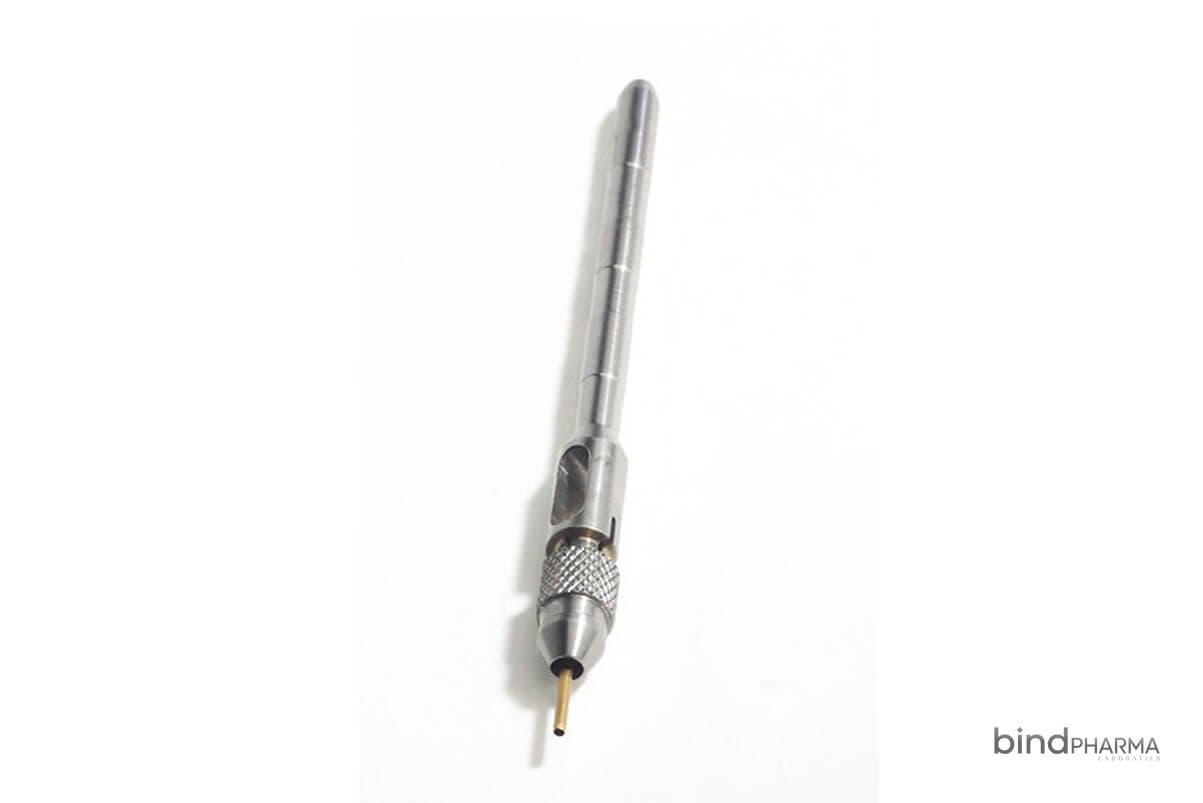
- Dedicated space for loaded implanter pens so they are never balanced on the edge of a tray.
- Task lighting that does not throw shadows across the dishes.
The station should face the patient rather than a wall wherever possible, so technicians can pass grafts and communicate without turning their backs on the field.
Stage instruments within reach zones
Instrument staging is where layout meets daily practice. The principle is simple: the more often an item is touched, the closer it belongs.
What belongs within arm's reach
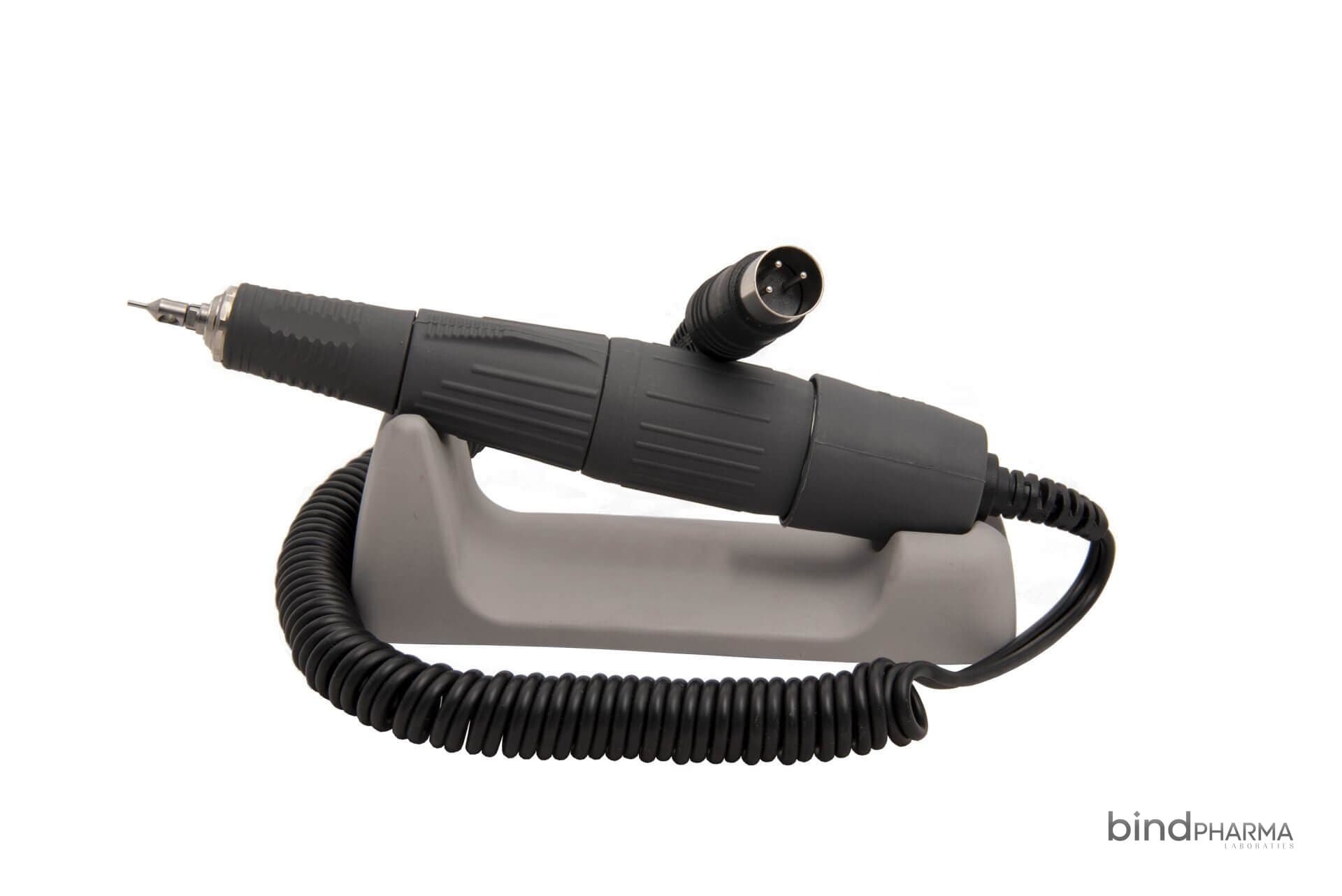
- The punch handpiece or manual punch holder currently in use, plus the immediate backup.
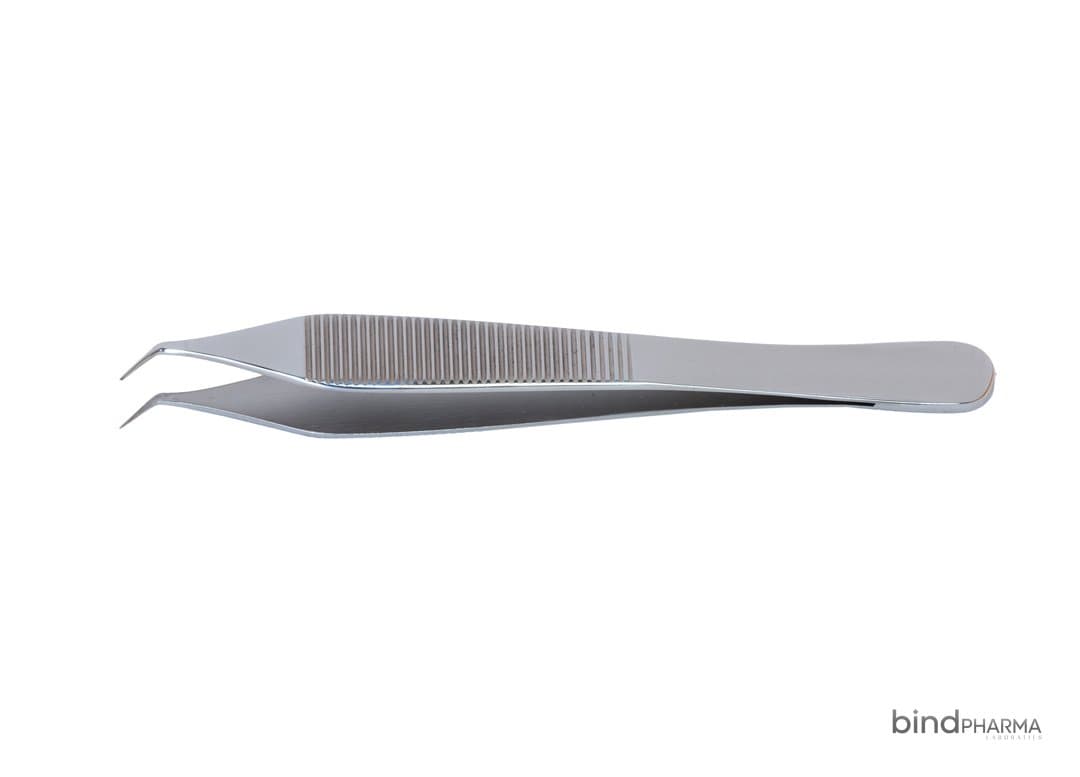
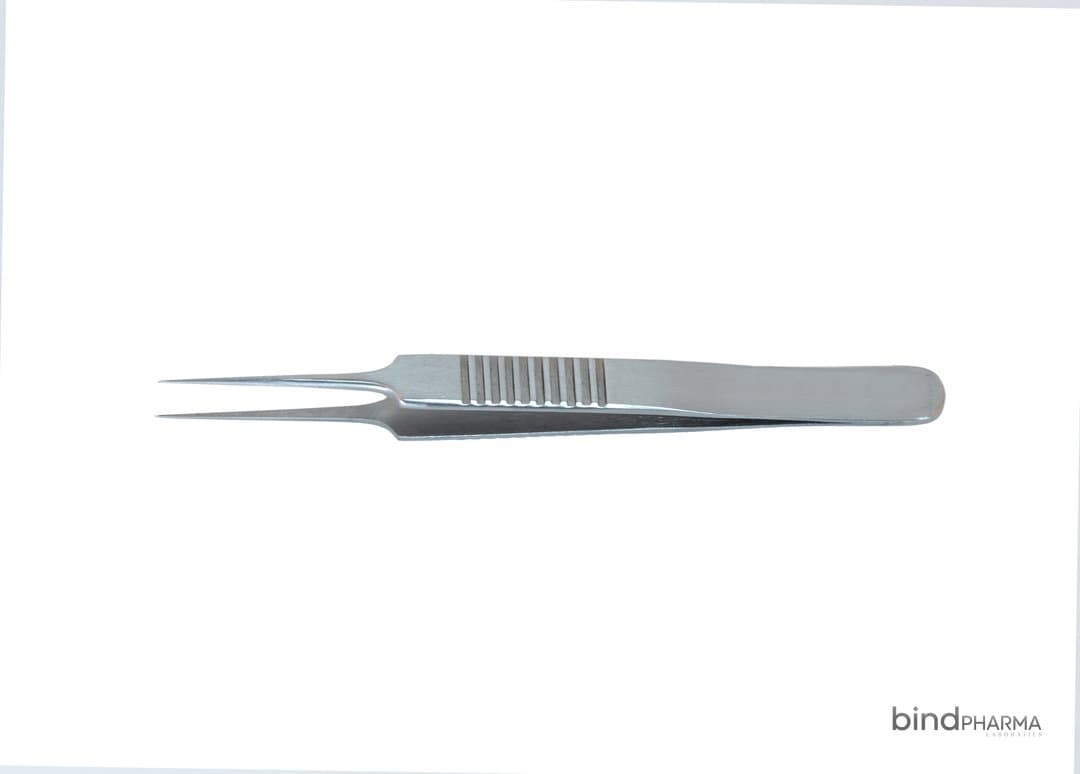
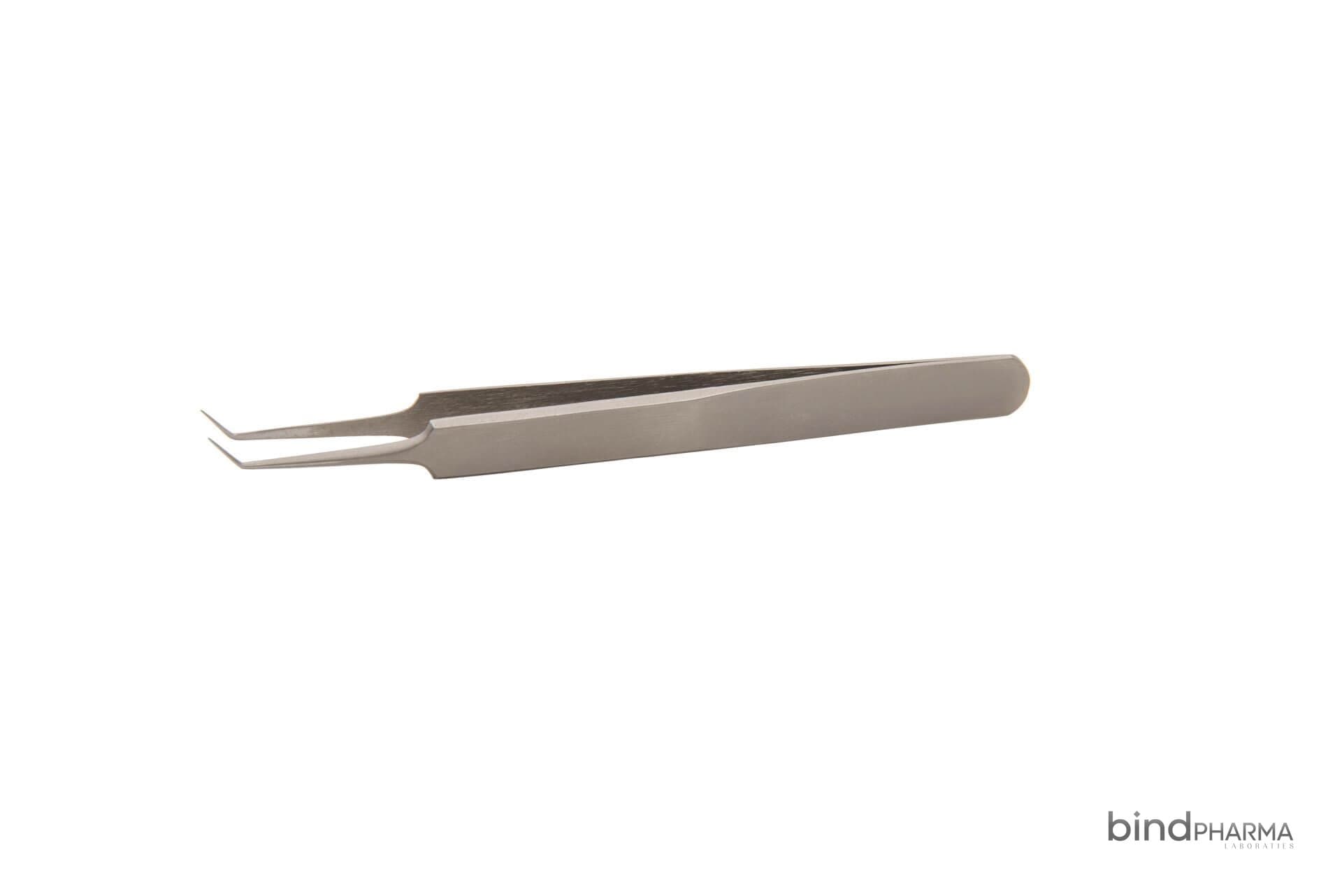
- Extracting forceps for the surgeon and transplanting forceps for the technicians.
- The blade handle in use during recipient site creation.
- Loaded implanter pens during DHI placement, in a stand rather than loose.
- Gauze, saline and the local anaesthetic tray.
What belongs one step away
- Spare punches in a range of diameters, opened only as needed.
- Backup blades and blade holders.
- Additional forceps and needle holders for donor closure.
- Sharps container and waste, positioned so no one reaches across the sterile field to use them.
A small mobile trolley per operator, rather than one large shared table, usually reduces cross-reaching dramatically. Each person owns their surface and knows exactly where their instruments sit.
Get lighting, magnification and power right
Lighting deserves more attention than it usually receives. FUE demands the ability to see hair exit angle and follicular unit grouping clearly at both the donor and recipient areas, which are on opposite aspects of the head.
- Use adjustable, shadow-free lighting that can be repositioned quickly as the patient changes position.
- Plan for a dedicated light over the graft preparation station, separate from the surgical light.
- Confirm colour temperature is consistent between zones so grafts look the same at the station and at the chair.
- Position power outlets where micromotor units, cooling equipment and lighting plug in without trailing cables.
Magnification should be planned as part of the room, not treated as personal equipment. If your protocol requires loupes for extraction and microscopes for sorting, the layout must accommodate both, including somewhere clean to place them between phases.
Plan traffic patterns and staff positions
In a busy FUE case, four to six people may be in the room. Traffic problems appear when there is only one route between the door, the station and the patient.
Guidelines that work well in practice:
- Keep a clear circulation loop around the chair so nobody has to reverse or squeeze past.
- Position the door so entering staff do not walk through the graft zone.
- Give the person who leaves the room most often, usually the circulating assistant, the shortest path to the door.
- Fix stool positions for each role so the team settles into the same geometry every case.
Consistency matters as much as geometry. When the room is set up identically every day, staff stop thinking about where things are and start thinking about the case.
Separate clean and contaminated flows
Even in a procedure room rather than a full operating theatre, the movement of contaminated instruments should be one directional. Used punches, blades and forceps should leave the room by a defined route to the reprocessing area, and clean instruments should return by another. Sharps disposal belongs at the point of use, not by the door.
Practical steps include a designated collection tray for used instruments, a covered transport container for moving them to sterile processing, and a rule that nothing contaminated is ever placed back on a clean instrument trolley. These habits are easier to maintain when the layout supports them.
Build in room to scale
Clinics rarely stay the same size. When designing the first theatre, consider what happens when caseload doubles.
- Standardise the layout so a second room can be built as a mirror image and staff can move between them without relearning anything.
- Choose mobile rather than fixed furniture wherever possible, so the room can be reconfigured as protocols evolve.
- Size the instrument storage for the caseload you expect in two years, not the one you have today.
- Keep a written room setup checklist so any team member can prepare the theatre correctly.
A standardised layout across rooms is one of the highest-return decisions a growing clinic can make. It turns training, cover and audit into simple exercises.
Frequently asked questions
How much space does an FUE operating room need?
There is no single figure, but the room must comfortably hold the patient chair with clearance on all sides, a graft preparation station for two technicians, instrument trolleys for each operator and a clear circulation path. Cramped rooms cost time and posture all day, so if a choice must be made, prioritise clearance around the chair and the preparation surface.
Should the graft preparation station be inside the operating room?
In most FUE clinics, yes. Keeping preparation inside the room shortens the time grafts spend in transit, allows continuous communication between surgeon and technicians, and lets placement begin as soon as grafts are ready. The main reason to separate them is space, and that trade-off should be made consciously.
How many instrument trolleys should a room have?
A common and effective arrangement is one small trolley per working operator plus one shared supply trolley. This reduces cross-reaching, gives each person a predictable surface, and makes case preparation easier because each trolley has its own standard setup.
Does room layout change between FUE and DHI cases?
The zones stay the same, but staging shifts. DHI cases need dedicated, stable space for loading and holding implanter pens near the patient's head, while classic FUE with forceps and pre-made sites needs more room for site creation instruments. Designing a layout that supports both avoids rebuilding the room for each protocol.
Work with Hair Restoration Supplies
Designing a theatre is easier when instrument supply is predictable. Hair Restoration Supplies manufactures FUE punches, sapphire blades, DHI implanter pens, forceps, needle holders, micromotor handpieces and complete surgical sets in Türkiye, and supplies clinics and distributors worldwide with the consistency that a standardised room setup depends on.
If you are equipping a new theatre or standardising an existing one, we are happy to review your setup and recommend a configuration. Request a free sample or the full product catalogue by email at [email protected] or on WhatsApp at +90 546 846 37 31, and our team will help you match instruments to your workflow.